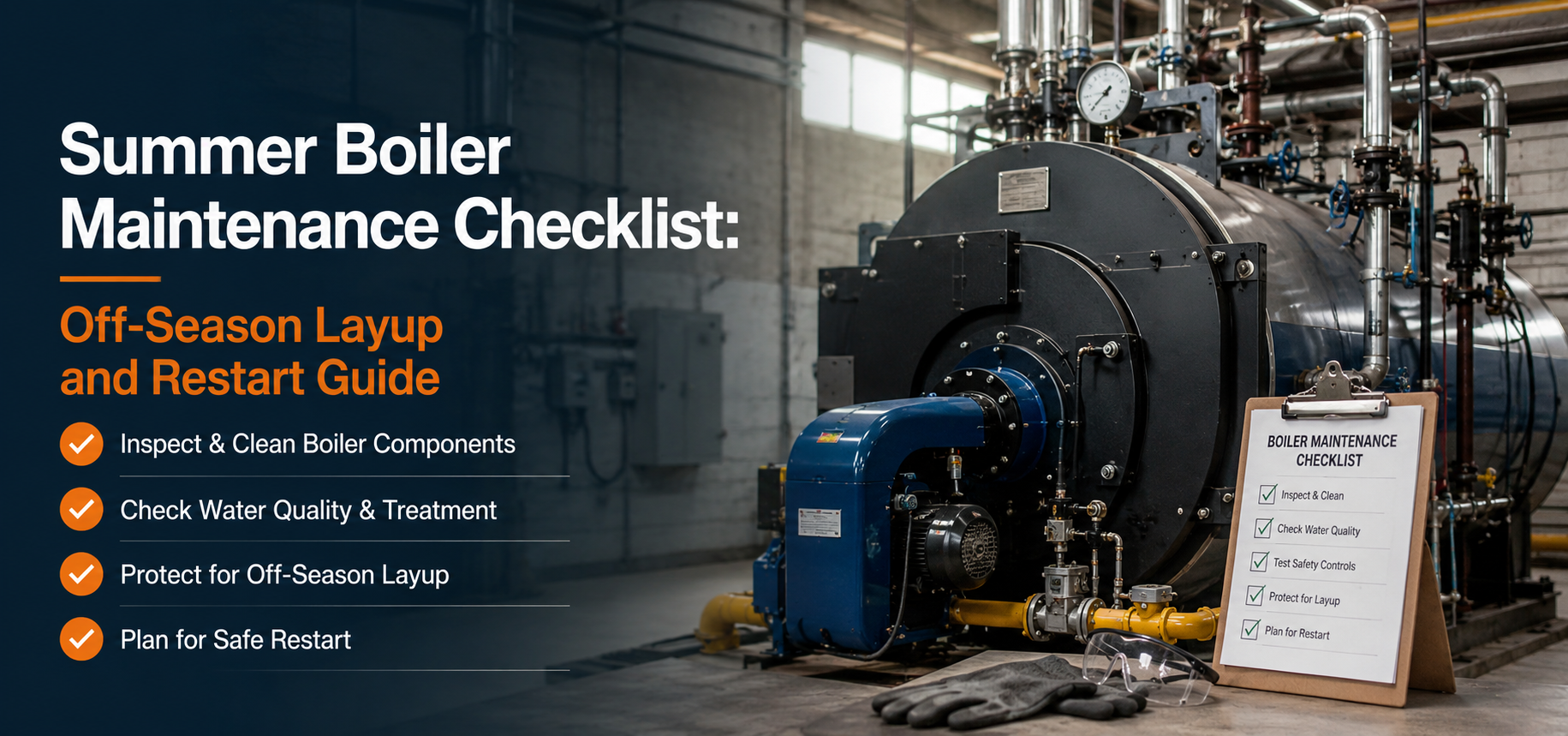

For many industrial facilities, fall marks the ideal window for scheduled maintenance. Cooler temperatures, seasonal production slowdowns, and the need to ensure reliable winter operations make autumn the perfect time to execute a fall plant turnaround valve checklist.
However, the success of any planned outage depends on thorough preparation. Overlooking critical valve assets can lead to unexpected equipment failures, costly downtime, extended shutdowns, and long lead times for replacement parts.
Whether you're evaluating industrial control valves, safety valves, or pressure regulators, a structured inspection plan helps identify issues before they disrupt the turnaround.
This guide provides a practical plant turnaround checklist, covering valves to inspect, test, repair, or replace, along with documentation best practices that improve maintenance efficiency and reduce operational risk in future outages.
Fall Plant Turnaround Valve Checklist: Why Early Planning Matters
A successful fall plant turnaround valve checklist begins well before the scheduled outage. October and November offer ideal conditions for maintenance, with cooler weather improving worker safety and providing enough time to prepare critical systems before winter demand increases.
This period can provide an opportunity to inspect process equipment, steam systems, and valves while coordinating valve work with other planned maintenance activities. The challenge is that fall is also the busiest season for valve repair facilities and OEM suppliers.
If your plant turnaround checklist isn't finalized 8 - 12 weeks in advance, you may face extended lead times for replacement trim, seals, actuators, and other critical components. Early planning helps secure the parts you need, avoid costly delays, and keep your turnaround on schedule and within budget.
1. Build Your Turnaround Valve Scope Early
A comprehensive fall plant turnaround valve checklist begins with a clearly defined turnaround valve scope. Before the shutdown starts, identify every valve that requires inspection, testing, repair, or replacement. Developing this scope early helps maintenance teams prioritize critical assets, secure replacement parts, and minimize unexpected delays during the outage.
Build your turnaround valve scope using:
- Maintenance History and Operator Logs: Review past work orders and operating records to identify valves with recurring leaks, sticking, excessive wear, or unstable performance.
- Regulatory and Compliance Requirements: Include safety and relief valves that require mandatory inspections, testing, or recertification during the turnaround.
- Process Engineering Updates: Identify valves that need resizing, upgrades, or replacement due to production changes, process modifications, or new operating conditions.
- Smart Valve Diagnostics: Use data from digital positioners such as the Fisher FieldVue DVC6200 to detect friction, travel deviation, air leakage, and other early warning signs.
After compiling the list, rank valves by criticality. Prioritize safety and relief valves first, followed by critical process control valves, then isolation and utility valves. This structured approach keeps your fall plant turnaround valve checklist focused on the assets that have the greatest impact on safety, reliability, and turnaround success.
2. Control Valve Inspection and Testing Checklist
An accurate control valve maintenance checklist is a critical part of every fall plant turnaround valve checklist. Since control valves operate continuously to regulate flow, pressure, and temperature, even minor wear can impact process stability, energy efficiency, and product quality. During the turnaround, inspect the valve body, trim, actuator, and instrumentation as a complete assembly, not as individual components.
Use this valve inspection checklist for priority control valves:
- Inspect Valve Trim: Check plugs, seats, stems, and guides for erosion, cavitation, wire draw, galling, and excessive wear. Compare critical dimensions with OEM specifications.
- Examine Packing and Stem Condition: Inspect for leakage, corrosion, and stem damage. Replace worn packing and upgrade to low-emission packing where environmental compliance is required.
- Test the Actuator: Verify diaphragm or piston integrity, spring condition, air leaks, and proper bench set to ensure reliable valve operation.
- Perform Full Stroke Testing: Cycle the valve through its entire travel range to confirm smooth movement, response time, dead band, and seating performance.
- Verify Positioner and Air Supply: Calibrate the positioner, inspect filters and regulators, and confirm clean and dry instrument air for consistent control.
Valve selection and repair decisions should also be part of the inspection process. Plants operating Fisher valves should verify replacement trim against current OEM specifications to maintain performance.
In many cases, compact valves like the Fisher D4 control valve are more cost-effective to replace than rebuild when trim wear becomes excessive. Similarly, the Samson 3241 is a reliable replacement option for demanding throttling applications where existing globe valves have reached the end of their service life.
3. Relief and Safety Valve Testing Checklist
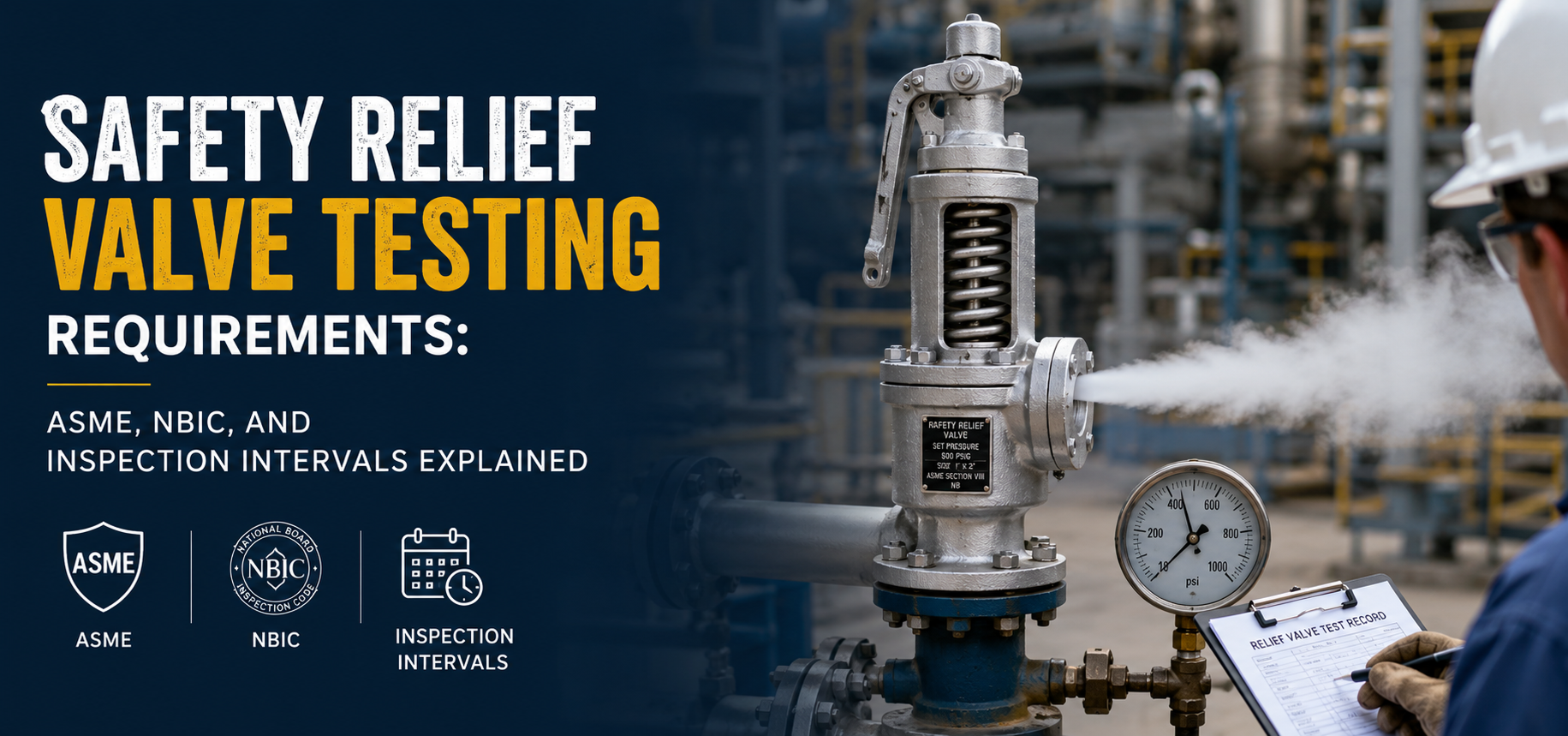
Pressure relief devices are among the most critical assets to inspect during any planned shutdown. They protect personnel, equipment, and processes from dangerous overpressure events, making thorough testing essential for safe and compliant operations.
Most facilities are also required to perform periodic inspections to meet regulatory, insurance, and mechanical integrity requirements.
During the turnaround, verify the following:
- Verify Set Pressure: Test each valve on a certified test bench and confirm the opening pressure matches the required set point and cold differential test pressure.
- Inspect Internal Components: Examine the nozzle, disc, and seating surfaces for corrosion, product buildup, erosion, chatter, or simmer damage that could affect sealing performance.
- Evaluate Spring Condition: Check for corrosion, fatigue, cracking, or loss of spring tension. Replace springs exposed to excessive temperatures or fire.
- Inspect Connected Piping: Confirm inlet and outlet piping is properly supported, free from blockages, and designed to minimize excessive pressure drop.
- Document and Recertify: Reseal, tag, and record the test date, certified set pressure, and technician information before returning the valve to service.
When replacement is necessary, planning helps avoid turnaround delays. The Kunkle safety relief valve product line offers reliable protection across steam, air, gas, and liquid applications. For bronze safety valves used in steam and compressed air systems, the Apollo relief valve Series 19, manufactured by Conbraco Industries, is a proven ASME-certified solution that is readily available for many common applications.
A documented relief valve inspection checklist helps confirm that each safety valve has been tested, tagged, recorded, and prepared for return to service.
4. Isolation, Block and Manual Valve Checklist
Isolation valves are often overlooked because they operate less frequently than control valves, but they're essential for establishing safe maintenance boundaries during a turnaround. If a valve fails to isolate equipment properly, maintenance work can be delayed, increasing downtime and safety risks. A comprehensive industrial valve maintenance checklist should prioritize these valves before the shutdown begins.
Inspect the following:
- Test Valve Operation: Cycle all boundary and critical isolation valves to verify smooth operation and tight shutoff. Schedule repairs or replacements for valves that fail to seal properly.
- Check Valve Components: Inspect gate and globe valves for worn stem threads, bent stems, packing leaks, corrosion, and seat damage.
- Verify Check Valve Performance: Ensure check valves move freely and seat correctly to prevent reverse flow during startup.
- Lubricate and Repair Hardware: Lubricate stems and gearboxes, and replace damaged handwheels, wrench nuts, or other operating components.
For demanding refinery, chemical, and power applications, Velan valves are widely trusted for their durability and reliable shutoff performance in severe-service environments.
5. Solenoid and Automated On/Off Valve Checklist
Although compact and relatively inexpensive, solenoid valves play a vital role in automated process control, emergency shutdown systems, burner management, and actuator operation. Including them in your fall plant turnaround valve checklist helps prevent unexpected failures that could delay startup or compromise plant safety.
Use this inspection checklist during the turnaround:
- Verify Valve Operation: Energize and de-energize each safety-critical solenoid to confirm the connected actuator responds within the required stroke time.
- Inspect Electrical Components: Check coils, wiring, and conduit connections for overheating, cracked insulation, corrosion, or moisture intrusion.
- Replace Worn Seals and Internal Parts: Replace elastomers or complete valve assemblies where contaminated or wet instrument air has caused excessive wear.
- Confirm Installation Compliance: Verify voltage, enclosure rating, and hazardous area classification match current operating requirements.
Many facilities rely on ASCO Solenoid Valves for process automation and actuator control. The ASCO 8551 is a popular direct-mount solution for pneumatic actuators, while Magnatrol Solenoid Valves provide dependable performance for water, steam, and other utility services where long-term reliability is critical.
6. Regulator & Back Pressure Valve Checklist
Pressure regulators play a critical role in controlling fuel gas, steam, nitrogen, and instrument air throughout the plant. Inspecting them during a planned turnaround helps maintain stable system pressure, improve process reliability, and prevent operational issues during peak winter demand.
Include these checks in your inspection:
- Verify Pressure Performance: Test outlet pressure under both low and high-flow conditions to identify excessive droop or unstable pressure control.
- Inspect Internal Components: Examine diaphragms, valve plugs, seats, and orifices for wear, hardening, cuts, or debris. Replace soft goods on critical services as preventive maintenance.
- Check Sensing Lines: Ensure sensing lines are clean, free of blockages, and correctly routed for accurate pressure regulation.
The Fisher 627 regulator is a proven solution for fuel gas and pressure-reducing applications and can often be rebuilt using OEM repair kits. Likewise, a properly sized back pressure valve protects pumps, maintains upstream system pressure, and improves overall process stability, making it an important component to inspect during every turnaround.
7. Replace vs. Repair Checklist
A well-planned fall plant turnaround valve checklist helps maintenance teams make repair-or-replace decisions before the outage begins, reducing unexpected costs and minimizing schedule delays. Evaluating valve condition in advance also gives procurement teams time to source replacement equipment without affecting the turnaround timeline.
Use these guidelines when assessing each valve:
- Replace High-Cost Repairs: Consider replacement when repair costs exceed 60%–70% of the price of a new valve, including labor, parts, and testing.
- Replace Damaged Valve Bodies: Replace valves with excessive corrosion, damaged flange faces, or compromised pressure-retaining components.
- Upgrade Obsolete Equipment: Replace discontinued valve models when OEM parts are difficult to source or no longer available.
- Eliminate Repeat Failures: Replace valves that require frequent repairs, as recurring failures often indicate incorrect sizing or application.
- Repair When Practical: Rebuild valves with structurally sound bodies when wear is limited to trim, packing, seals, or other replaceable components.
If a valve repeatedly fails despite routine maintenance, consult an application specialist before ordering a replacement. Correcting issues such as improper valve sizing, incorrect flow characteristics, or unsuitable pressure ratings during the turnaround can significantly improve long-term reliability while reducing future maintenance costs.
8. Documentation and Records Checklist
A successful turnaround doesn't end when the last valve is reinstalled. Complete and accurate documentation is essential for regulatory compliance, maintenance planning, and continuous reliability improvement.
Using a standardized valve maintenance checklist template ensures every inspection, repair, and replacement is recorded consistently across all maintenance teams.
Document the following for every serviced valve:
- Asset Identification: Record the valve tag number, service, location, manufacturer, model, and serial number for complete traceability.
- Inspection and Test Results: Capture the as-found and as-left condition, including test pressures, stroke times, calibration results, and any adjustments made during maintenance.
- Parts Replaced: List all replacement components and part numbers to improve spare parts planning and inventory management.
- Future Maintenance Notes: Document recurring issues, recommended repairs, or observations that should be addressed during the next scheduled outage.
After the turnaround, upload all records into your CMMS rather than filing them away. Analyzing maintenance history over multiple shutdowns helps identify recurring failure trends, optimize spare parts inventory, and continuously improve your safety valve testing checklist, resulting in more efficient planning and fewer unexpected issues during future turnarounds.
Quick Reference: Pre-Shutdown Timeline
A well-planned pre-shutdown schedule helps keep maintenance activities organized, ensures critical parts are available when needed, and minimizes delays during the turnaround.
10 - 12 Weeks Before Shutdown: Define the Scope
Finalize the valve scope, identify long-lead replacement valves and trim, and place purchase orders for critical components.
6 - 8 Weeks Before Shutdown: Prepare Resources
Schedule relief valve testing, confirm repair shop availability, stage rebuild kits, and pre-test critical isolation valves.
2 - 4 Weeks Before Shutdown: Verify Readiness
Inspect all received materials, organize parts by valve tag, and confirm scaffolding, access, tooling, and manpower requirements.
During the Shutdown: Execute Maintenance
Perform inspections and repairs based on valve criticality, documenting each valve's as-found condition before cleaning or rebuilding.
Before Plant Startup: Complete Final Verification
Confirm all relief valves are reinstalled and certified, verify control valve stroke testing, and complete functional testing of solenoids, actuators, and safety interlocks before returning the plant to service.
Get Ahead of the Fall Turnaround Season with Control Specialties
A successful turnaround depends on preparation, accurate planning, and reliable valve performance. A detailed fall plant turnaround valve checklist helps protect your schedule, control maintenance costs, and improve overall plant safety. By identifying critical valves early, prioritizing safety systems, completing inspections, and making informed repair-or-replace decisions, you can reduce unexpected issues and keep your shutdown on track.
Control Specialties helps facilities prepare for demanding turnaround schedules with access to reliable valves, regulators, relief devices, and automation solutions from leading manufacturers. Our experienced team provides application support to help identify the right solutions, address recurring equipment challenges, and improve long-term process reliability.
Whether you need tested relief valves, replacement control valves, valve automation components, or support developing your maintenance scope, Control Specialties can help you prepare with confidence. Start planning early and partner with our team to ensure your next turnaround is efficient, safe, and ready for a smooth startup.
Frequently Asked Questions (FAQs)
What should be included in a fall plant turnaround valve checklist?
A fall plant turnaround valve checklist should include valve inspection, testing, repair, replacement planning, documentation, and prioritization of critical assets such as control valves, isolation valves, and pressure relief devices.
How early should a plant begin preparing for a valve turnaround?
Most plants should begin preparing 8 - 12 weeks before the scheduled outage. Early planning allows time to define the turnaround valve scope, order replacement parts, schedule testing, and avoid delays caused by long lead times.
Which valves require the most attention during a plant turnaround?
Safety and relief valves, critical process control valves, emergency shutdown valves, and isolation valves should receive the highest priority because failures can impact plant safety, production, and startup timelines.
What is the difference between repairing and replacing a valve during a turnaround?
Valve repair is typically preferred when the body and pressure boundaries are in good condition, and only components such as trim, packing, or seals require replacement. Replacement is recommended when repair costs are high, parts are unavailable, or recurring failures indicate an underlying application issue.
How can plants reduce delays during a valve maintenance shutdown?
Plants can reduce turnaround delays by creating a detailed plant shutdown checklist, identifying long-lead components early, standardizing documentation, and working with experienced valve suppliers to secure replacement equipment and repair support before the outage begins.
What valves should be tested before the shutdown begins?
Critical valves should be tested before a shutdown, including safety relief valves, isolation valves, control valves, and emergency shutdown valves. Verifying their operation beforehand helps identify issues early, prevents unexpected failures during maintenance, and supports a safer and more efficient shutdown process.