
Quick Tech Tips for Industrial Equipment

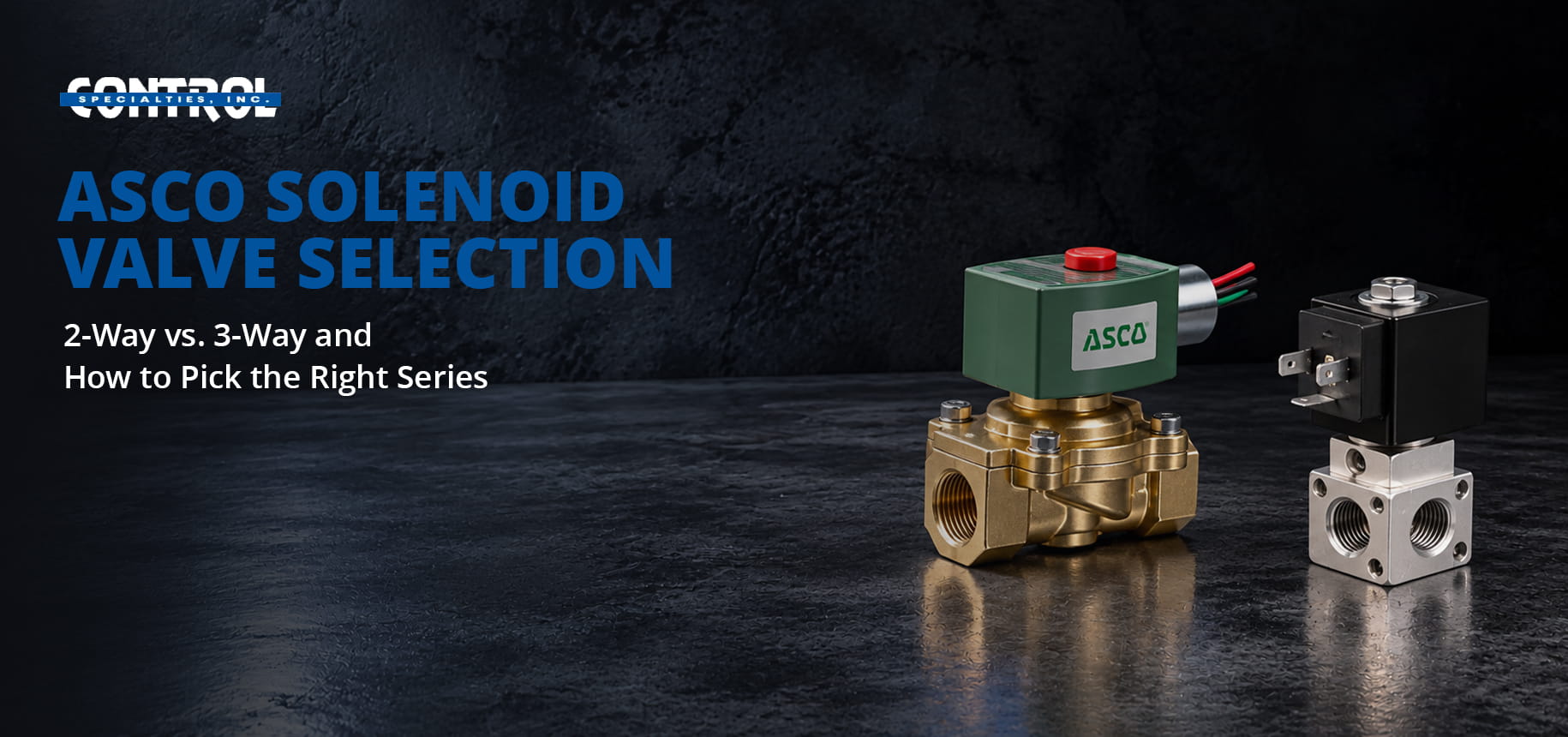
ASCO Solenoid Valve Selection: 2-Way vs. 3-Way and How to Pick the Right Series

ASCO Solenoid Valve Selection: 2-Way vs. 3-Way and How to Pick the Right Series

A solenoid valve looks simple. It contains a coil, a plunger, and a valve body. Selecting the wrong valve can create costly performance and maintenance problems. A 2-way valve can be the wrong choice when an actuator needs to vent, while a 3-way valve can add unnecessary complexity when all you need is simple on/off flow control.

Following the wrong operating principle can cause another set of problems. A pilot-operated valve may not work where pressure is too low, while a direct-acting valve may not provide the flow capacity you need.
Read more

How to Select the Right ITT Goulds Pump for Your Application?

How to Select the Right ITT Goulds Pump for Your Application?

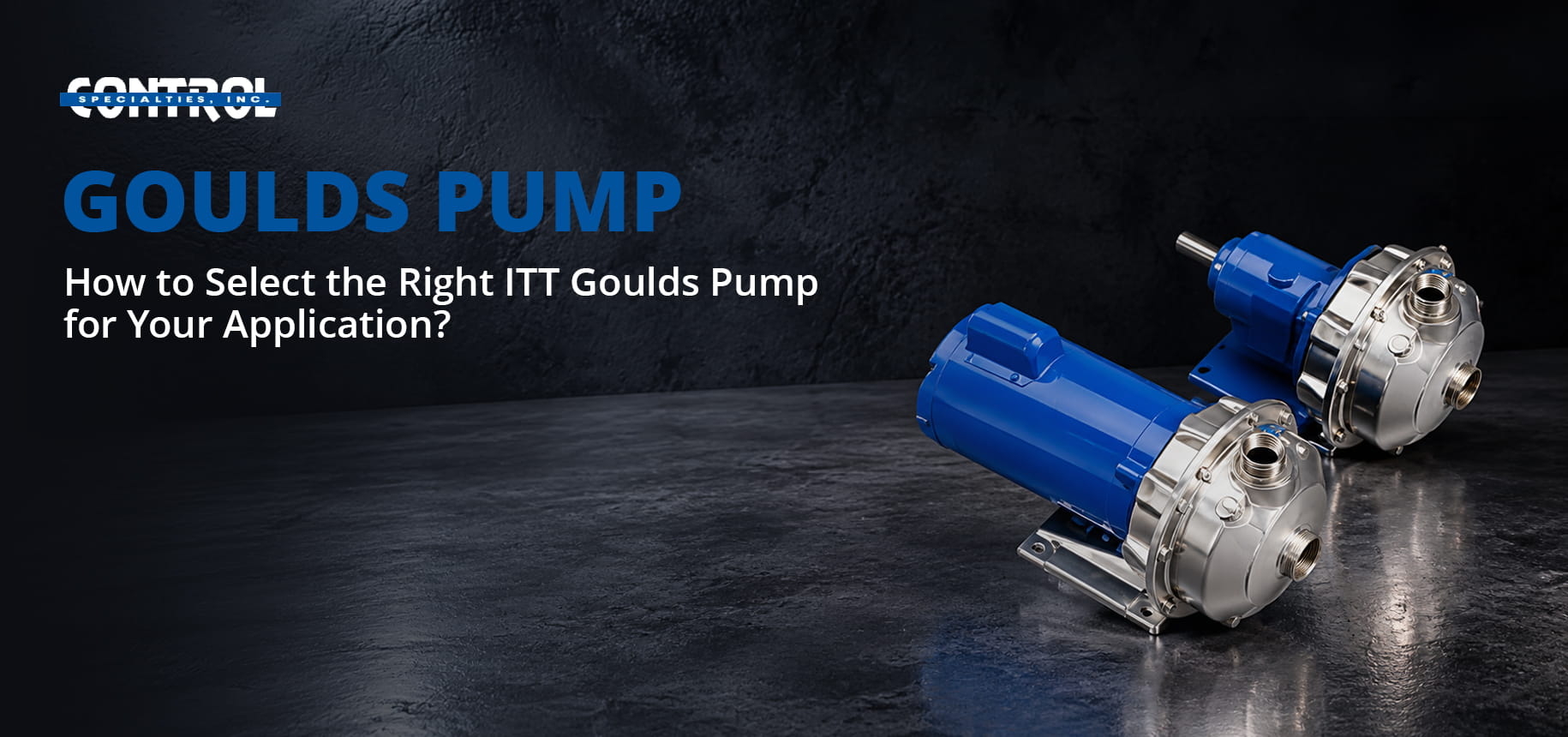
A pump that is poorly matched to its application may not fail immediately. Instead, it creates ongoing problems through damaged seals, cavitation, premature bearing wear, and unexplained energy costs. For plant engineers, maintenance managers, and buyers, knowing how to select a Goulds pump offers equipment for a wide range of industrial applications.

ITT Goulds pumps cover a wide range of industrial duties, from ANSI chemical process pumps and API 610 units to multistage boiler feed pumps and vertical turbines. Many models also support condition monitoring to help identify developing problems before they cause downtime.

Read more

Air Knife vs. Air Nozzle: When to Use a Full-Width Air Knife System for Drying and Blow-Off

Air Knife vs. Air Nozzle: When to Use a Full-Width Air Knife System for Drying and Blow-Off

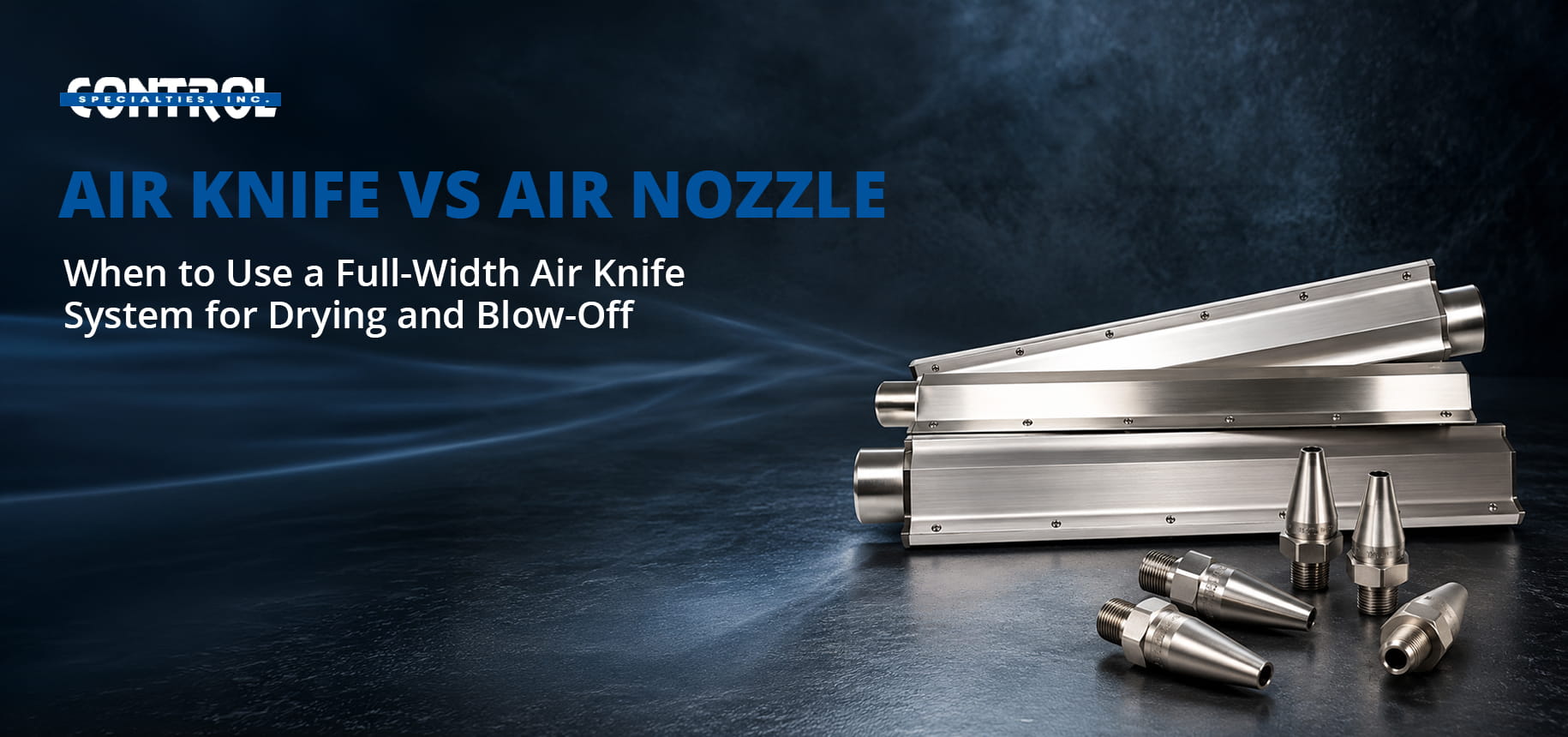
Air blow-off systems play a critical role on production lines, from removing rinse water from bottles to clearing chips from machined parts and drying webs before coating. Choosing the right device can affect drying consistency, production speed, product quality, noise, and operating costs.

The air knife vs. air nozzle decision is especially important because compressed air can be a significant plant utility expense, and an inefficient blow-off setup can increase energy use without delivering consistent results.

Read more

7 Common Goulds Pump Problems and How to Troubleshoot Them

7 Common Goulds Pump Problems and How to Troubleshoot Them

Industrial centrifugal pumps keep critical systems moving, from boiler and HVAC loops to process-fluid applications across manufacturing facilities. Early Goulds pump problems can be easy to overlook, often appearing as subtle changes rather than sudden failures. Some things to watch for:

  • Unusual noise or vibration
  • Reduced flow or pressure
  • Seal leakage or visible drips
  • Rising operating temperature
  • Frequent loss of prime
  • Repeated bearing or impeller issues
  • Unexpected changes in pump performance

Read more

Why Back Pressure Regulators Fail: 8 Common Causes and How to Prevent Them

Why Back Pressure Regulators Fail: 8 Common Causes and How to Prevent Them

A back pressure regulator maintains stable upstream pressure as flow and system conditions change. It's commonly used in steam systems, pump bypass lines, chemical processing, gas service, and industrial fluid transfer, where pressure stability directly affects process performance and equipment reliability.

Pressure fluctuations, leakage, poor flow control, and inconsistent performance can indicate an underlying issue. Incorrect sizing, installation errors, contamination, unsuitable operating conditions, and inadequate maintenance are common contributors to back pressure regulator failure.

Read more

Top 10 Circulator Pump Problems That Need Immediate Attention

Top 10 Circulator Pump Problems That Need Immediate Attention

An industrial circulator pump can keep running even when it's no longer performing efficiently. In hydronic heating loops, chilled-water systems, and process cooling applications, small mechanical or hydraulic issues can quickly lead to circulator pump failure, unplanned downtime, and costly repairs.

Early warning signs often appear before the pump stops completely. Unusual noise, excessive vibration, leakage, overheating, and reduced flow can indicate that the pump or connected system needs attention.

Read more

When to Replace Air Compressor Filters: Signs, Schedule and Best Practices

When to Replace Air Compressor Filters: Signs, Schedule and Best Practices

Compressed air systems rely on clean and dry air to protect pneumatic tools, instrumentation, and downstream equipment. Knowing when to replace air compressor filters is essential for maintaining air quality, system efficiency, and reliable operation.

Delaying air compressor filter replacement can increase pressure drop, restrict airflow, allow contamination to reach downstream equipment, and raise energy consumption. Replacement timing depends on operating hours, manufacturer recommendations, pressure differential readings, and operating conditions.

Read more

Why Temperature Control Valves Lose Accuracy and How to Restore Stable Process Control

Why Temperature Control Valves Lose Accuracy and How to Restore Stable Process Control

Precise temperature control is critical for heat exchangers, reactors, process vessels, food processing lines, and steam-heated equipment. Even minor temperature drift can affect product quality, increase energy consumption, and lead to unplanned downtime.

A common issue occurs when a valve still strokes normally and appears mechanically sound, yet the process temperature no longer holds at the desired setpoint. This is one of the most frustrating temperature control valve problems because the cause may not be the valve itself.

Read more

What Are Air Nozzles Used For? Applications, Benefits, and Safety Tips

What Are Air Nozzles Used For? Applications, Benefits, and Safety Tips

Compressed air is one of the most versatile utilities on a plant floor, but its effectiveness depends on how well the airflow is directed. This is where industrial air nozzles come in.

Rather than allowing compressed air to escape uncontrolled, a nozzle shapes and focuses airflow for specific tasks such as cleaning, drying, cooling, moving, or blowing off parts and surfaces.

Read more

How to Choose the Right Kunkle Safety Relief Valve for Steam, Air, and Liquid Service

How to Choose the Right Kunkle Safety Relief Valve for Steam, Air, and Liquid Service

Proper pressure protection begins with understanding the operating conditions the safety relief valve must protect. The valve must suit the service medium, set pressure, temperature, required capacity, back pressure, and system connections.

Kunkle safety and relief valves are designed for industrial steam, air/gas, and liquid applications, with models suited to different operating conditions and requirements. Effective Kunkle relief valve selection starts with understanding these application factors.

Read more

1 2 3 4 5 ... 7 Next Page