Quick Tech Tips for Industrial Equipment

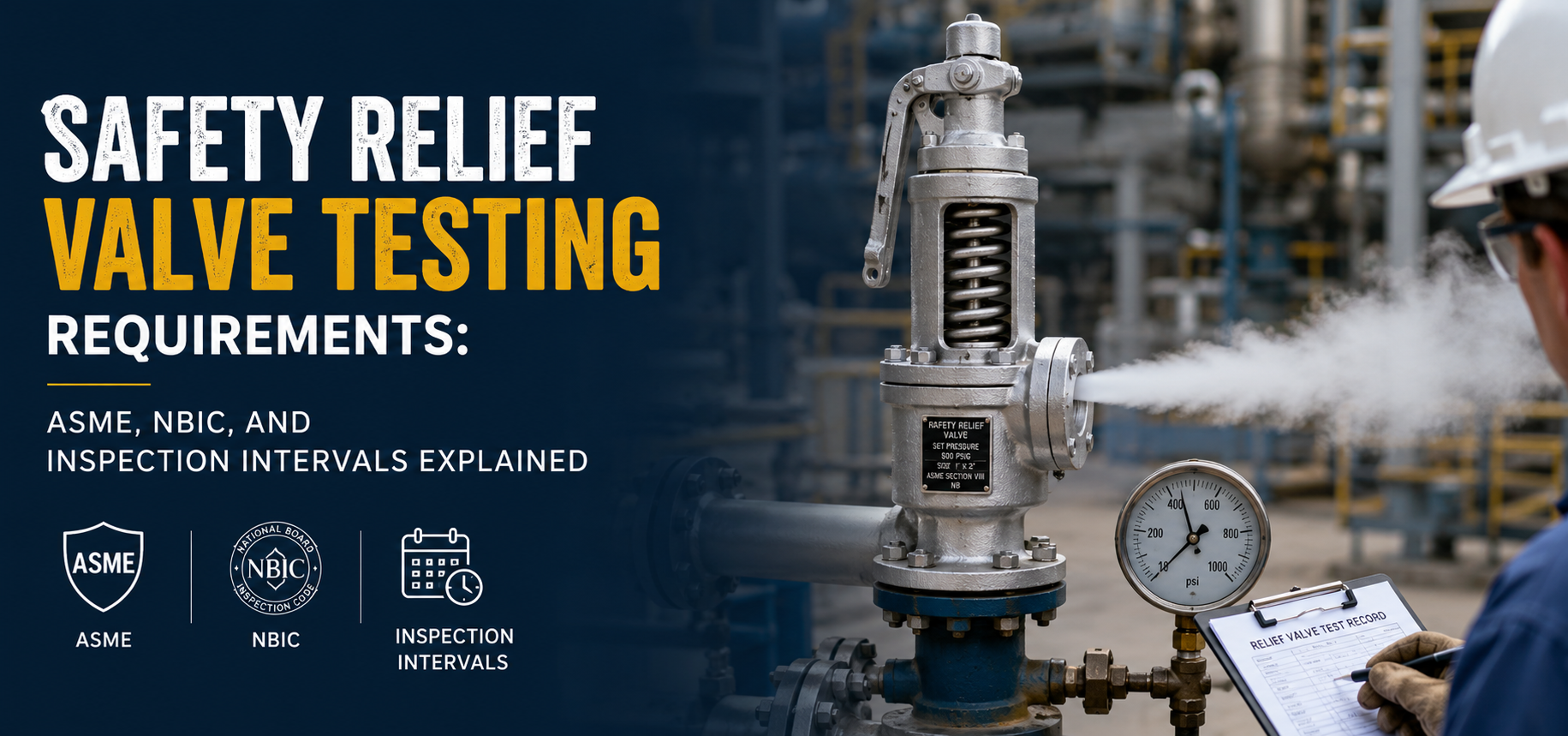
Safety Relief Valve Testing Requirements: ASME, NBIC, and Inspection Intervals Explained

Safety Relief Valve Testing Requirements: ASME, NBIC, and Inspection Intervals Explained

When pressure systems exceed safe operating limits, safety relief valves provide the last line of defense against equipment damage, regulatory violations, and potentially catastrophic failures. When system pressures exceed safe limits, these devices must respond immediately and accurately to protect personnel, equipment, and operations.

Because of their critical role, regular testing and inspection of safety relief valves are required under ASME, NBIC, and other applicable codes. However, many facilities are uncertain about testing intervals, certification requirements, and the differences between field and bench testing.
Read more

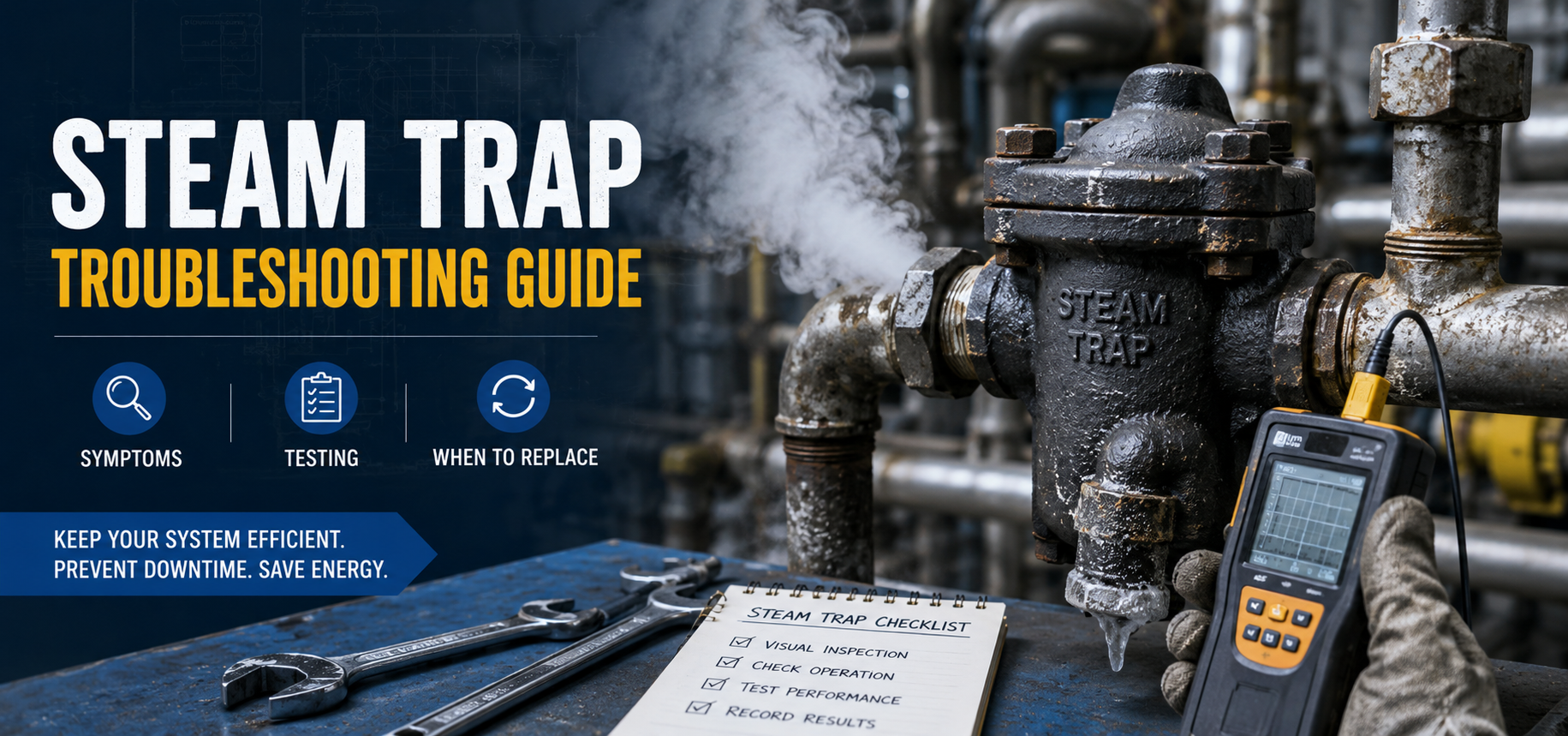
Steam Trap Troubleshooting Guide: Symptoms, Testing, and When to Replace

Steam Trap Troubleshooting Guide: Symptoms, Testing, and When to Replace

Steam traps are small components with a major impact on steam system efficiency, equipment protection, and operating costs. When they fail, facilities can experience live steam loss, water hammer, poor heat transfer, condensate backup, and premature equipment damage.

When functioning properly, they improve energy efficiency, protect equipment, and support reliable process performance. When they fail, the consequences can include energy waste, water hammer, production disruptions, and premature equipment damage.

Read more

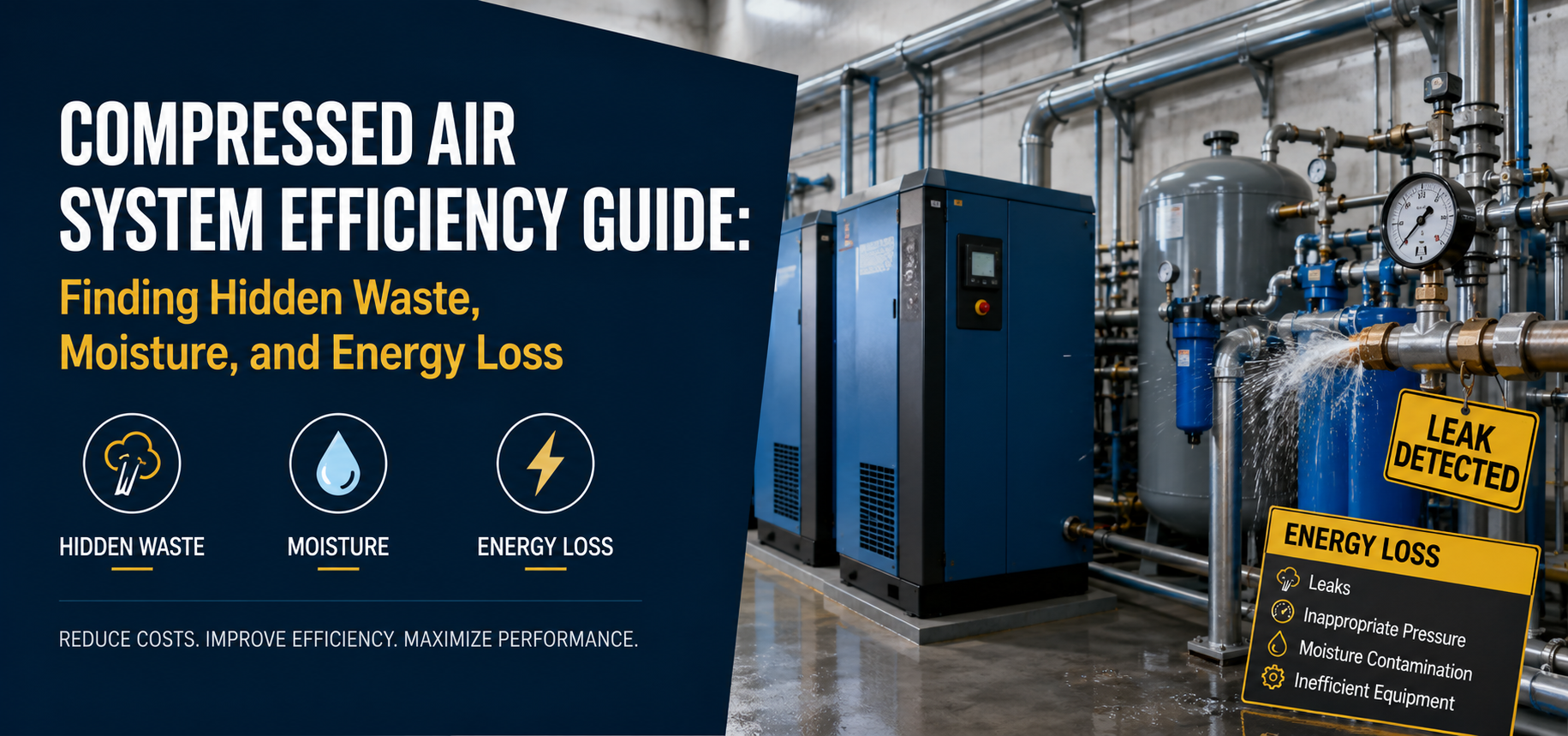
Compressed Air System Efficiency Guide: Finding Hidden Waste, Moisture, and Energy Loss

Compressed Air System Efficiency Guide: Finding Hidden Waste, Moisture, and Energy Loss

Compressed air is often called the "fourth utility" because it powers critical operations across manufacturing facilities. Yet it's also one of the most expensive and frequently wasted resources on the plant floor.

According to the U.S. Department of Energy, compressed air systems can account for up to 30% of industrial electricity consumption, with significant losses caused by leaks, pressure drops, poor condensate management, and inefficient use of compressed air drain traps.

Read more

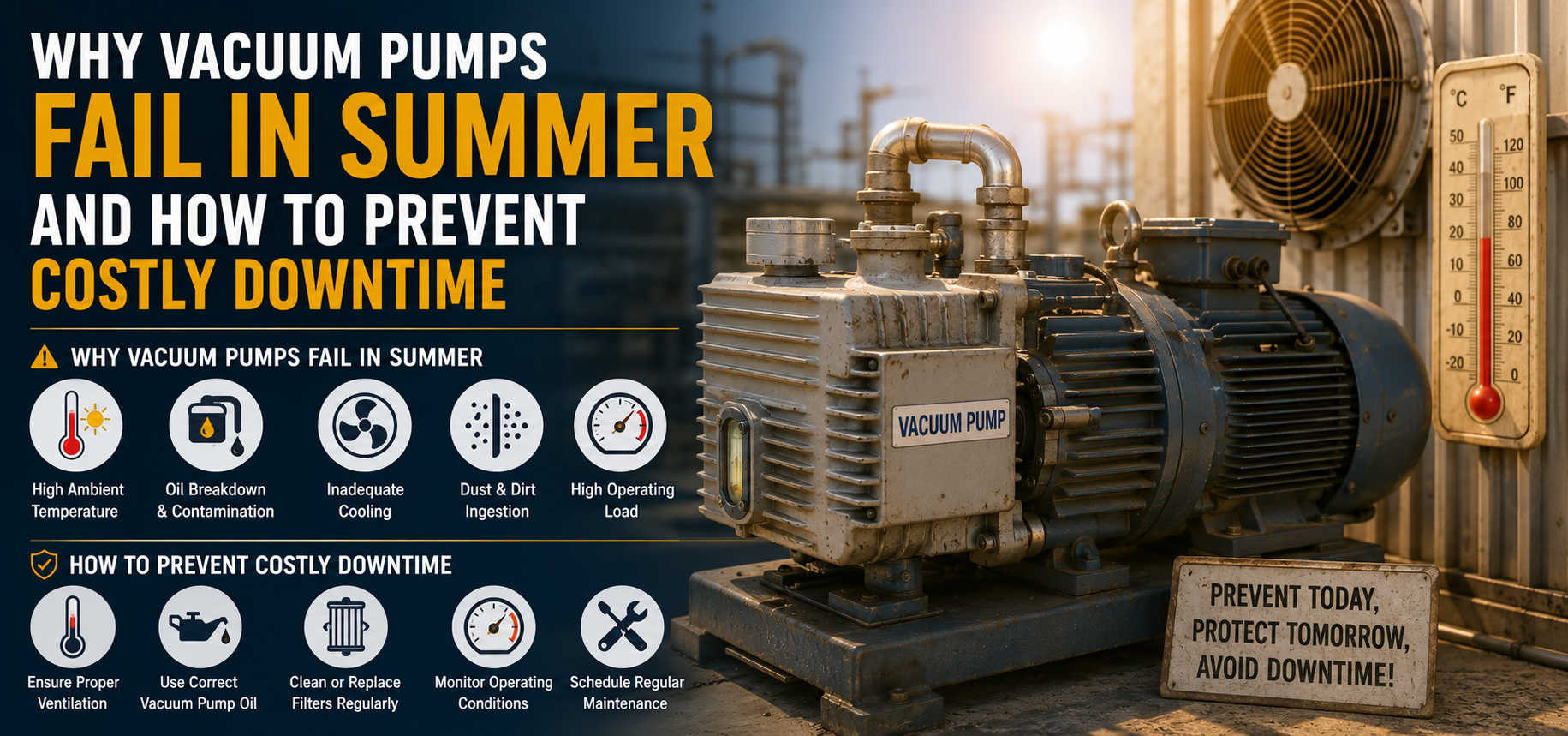
Why Vacuum Pumps Fail in Summer and How to Prevent Costly Downtime

Why Vacuum Pumps Fail in Summer and How to Prevent Costly Downtime

Summer heat can be tough on vacuum pumps. As temperatures rise, factors such as high ambient heat, humidity, and poor airflow place extra strain on your system, increasing the risk of overheating, oil breakdown, reduced performance, and unexpected downtime.

Fortunately, most summer-related failures don't happen without warning. By understanding the progression from heat to oil degradation, performance loss, warning signs, and ultimately failure, maintenance teams can identify problems early and take corrective action.

Read more

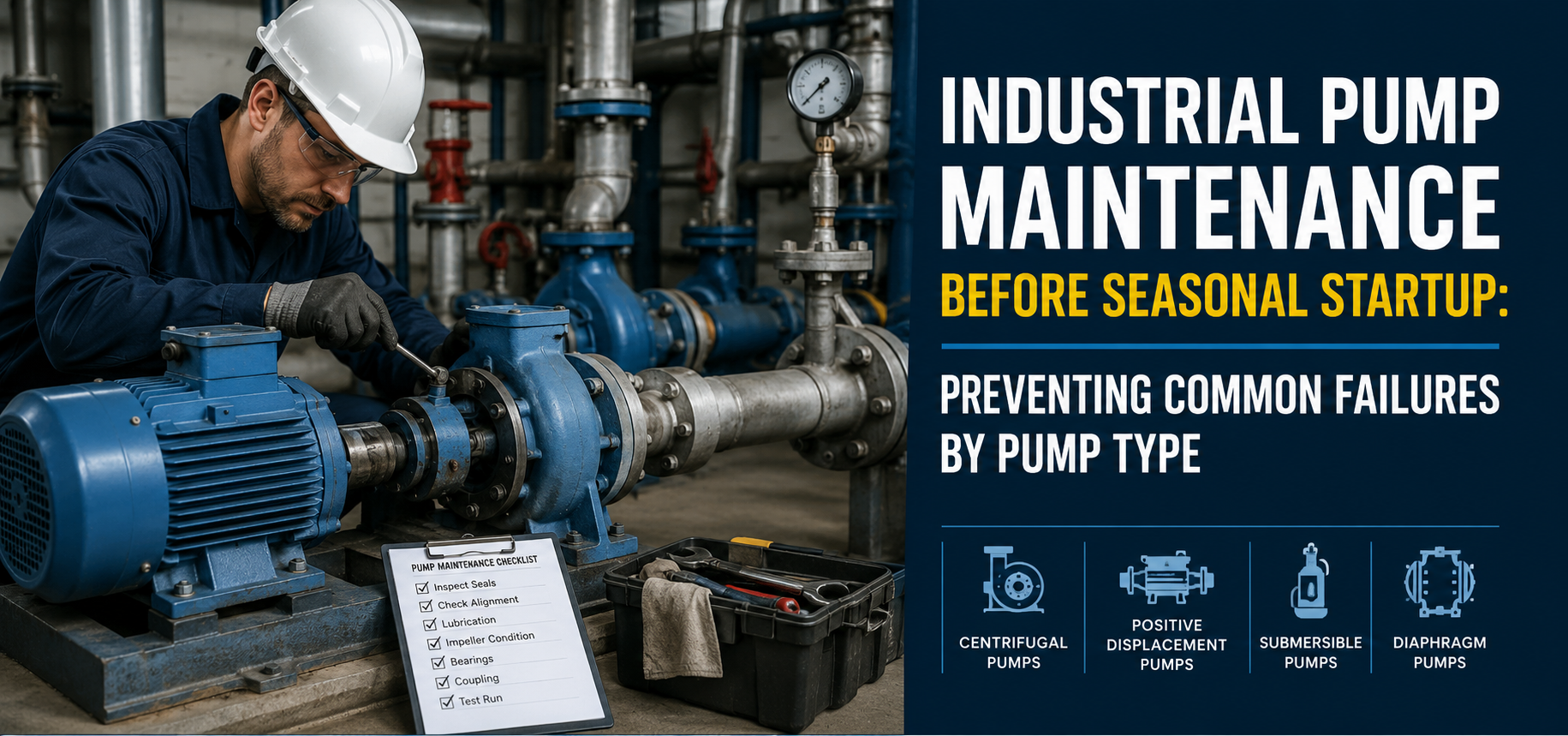
Industrial Pump Maintenance Before Seasonal Startup: Preventing Common Failures by Pump Type

Industrial Pump Maintenance Before Seasonal Startup: Preventing Common Failures by Pump Type

When a facility shuts down for a seasonal transition or planned maintenance, pumps often sit idle for weeks or months. While inactive equipment may appear unaffected, extended downtime can lead to corrosion, seal degradation, lubrication issues, and component wear that often go unnoticed until startup.

Neglecting pre-startup pump inspections can result in reduced efficiency, higher energy costs, unexpected failures, and costly downtime when operations resume. Whether you're preparing a circulator pump for HVAC service or restarting critical process equipment, a thorough inspection is essential.

Read more

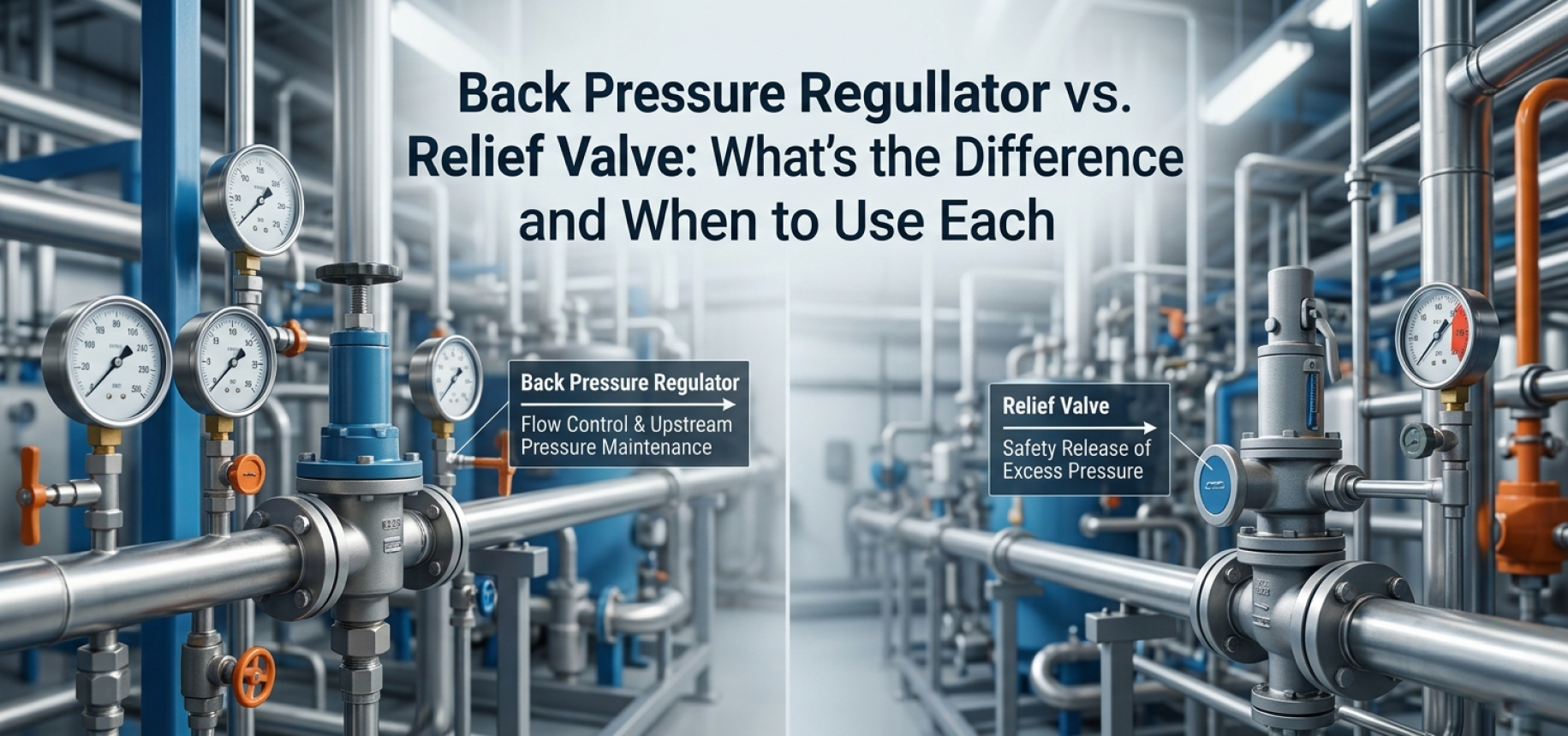
Back Pressure Regulator vs. Relief Valve: What's the Difference and When to Use Each

Back Pressure Regulator vs. Relief Valve: What's the Difference and When to Use Each

Improper pressure control can lead to equipment damage, process instability, safety risks, compliance violations, and costly downtime. Understanding the difference between back pressure regulators and relief valves is essential for selecting the right protection strategy.

However, they serve fundamentally different purposes. Selecting the wrong device can result in equipment damage, process instability, compliance issues, costly downtime, or serious safety hazards.

Read more

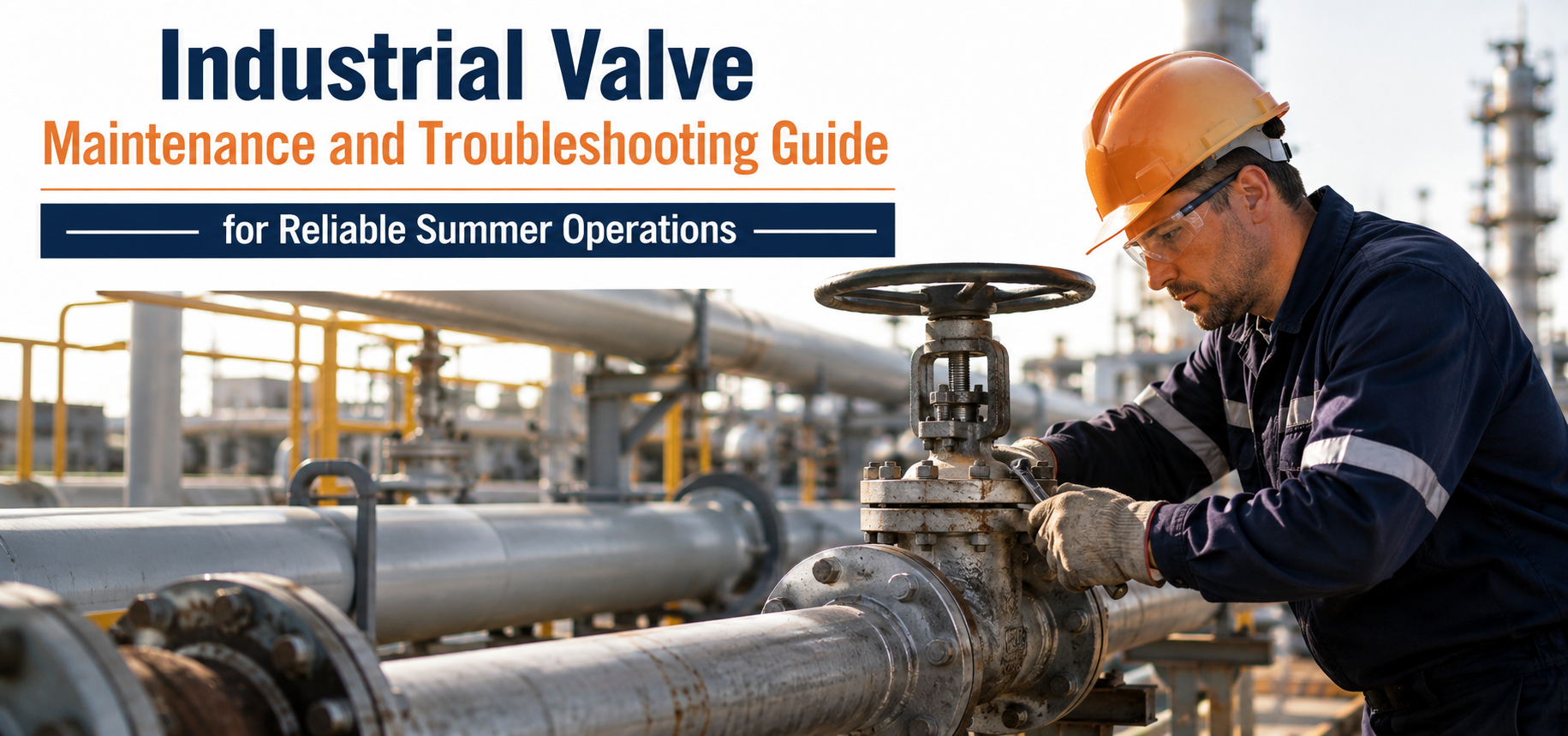
Industrial Valve Maintenance and Troubleshooting Guide for Reliable Summer Operations

Industrial Valve Maintenance and Troubleshooting Guide for Reliable Summer Operations

High summer temperatures and rising production loads put industrial valve performance under stress, making reliability critical to avoid unplanned downtime. Heat, continuous operation, and high flow rates often reveal hidden issues in control loops that remain stable in normal conditions.

Valve failures impact systems: a sticking control valve can force manual operation, a leaking solenoid valve can compromise safety, and a drifting positioner can affect product quality.

Read more

Why Genuine Fisher OEM Parts Matter for Valve Performance

Why Genuine Fisher OEM Parts Matter for Valve Performance

When a control valve fails mid-process, the real cost is rarely just the replacement part. It's the unexpected downtime, lost production, compliance risk, and potential safety exposure that follows. In many facilities, the problem begins when non-OEM replacement parts are installed in critical valve assemblies.

That's why facilities running Fisher Controls equipment choose genuine Fisher OEM parts. Built specifically for Fisher control valves, these components help maintain performance, protect warranty coverage, reduce operational risk, and keep critical processes running reliably.

Read more

When Should You Replace Industrial Control Valves?

When Should You Replace Industrial Control Valves?

Unexpected flow fluctuations, unstable pressure, and repeated process interruptions are often early warning signs that a control valve is beginning to fail. Recognizing early industrial control valve failure signs can help prevent costly downtime, equipment damage, and unplanned maintenance events.

While some valve issues can be resolved through calibration, trim replacement, or actuator repair, others indicate deeper mechanical wear that makes full replacement the more reliable and cost-effective solution. Understanding the difference is critical for maintaining process efficiency, safety, and long-term system performance.

Read more

Choosing the Right Potable Water Solenoid Valve for Safe Operations

Choosing the Right Potable Water Solenoid Valve for Safe Operations

Clean drinking water depends on more than filtration and treatment systems. The valves controlling water flow play a major role in maintaining water quality, protecting compliance, and preventing contamination in portable water systems.

Choosing the right potable water solenoid valves helps facilities:

  • Maintain safe, contamination-free water flow
  • Meet NSF and potable water compliance standards
  • Reduce leakage, corrosion, and maintenance issues
  • Improve long-term system reliability
  • Support automated water control applications

Read more