Quick Tech Tips for Industrial Equipment

Fisher Pressure Regulators: Types, Applications, and Selection Guide

Fisher Pressure Regulators: Types, Applications, and Selection Guide

Pressure regulators automatically maintain stable downstream or upstream pressure as operating conditions change. Choosing the right device helps keep pressure within the required operating range as process conditions change.

An incorrectly selected regulator can cause pressure instability, poor equipment performance, excessive wear, leakage, or overpressure. It may also increase maintenance needs and lead to unexpected downtime.

Read more

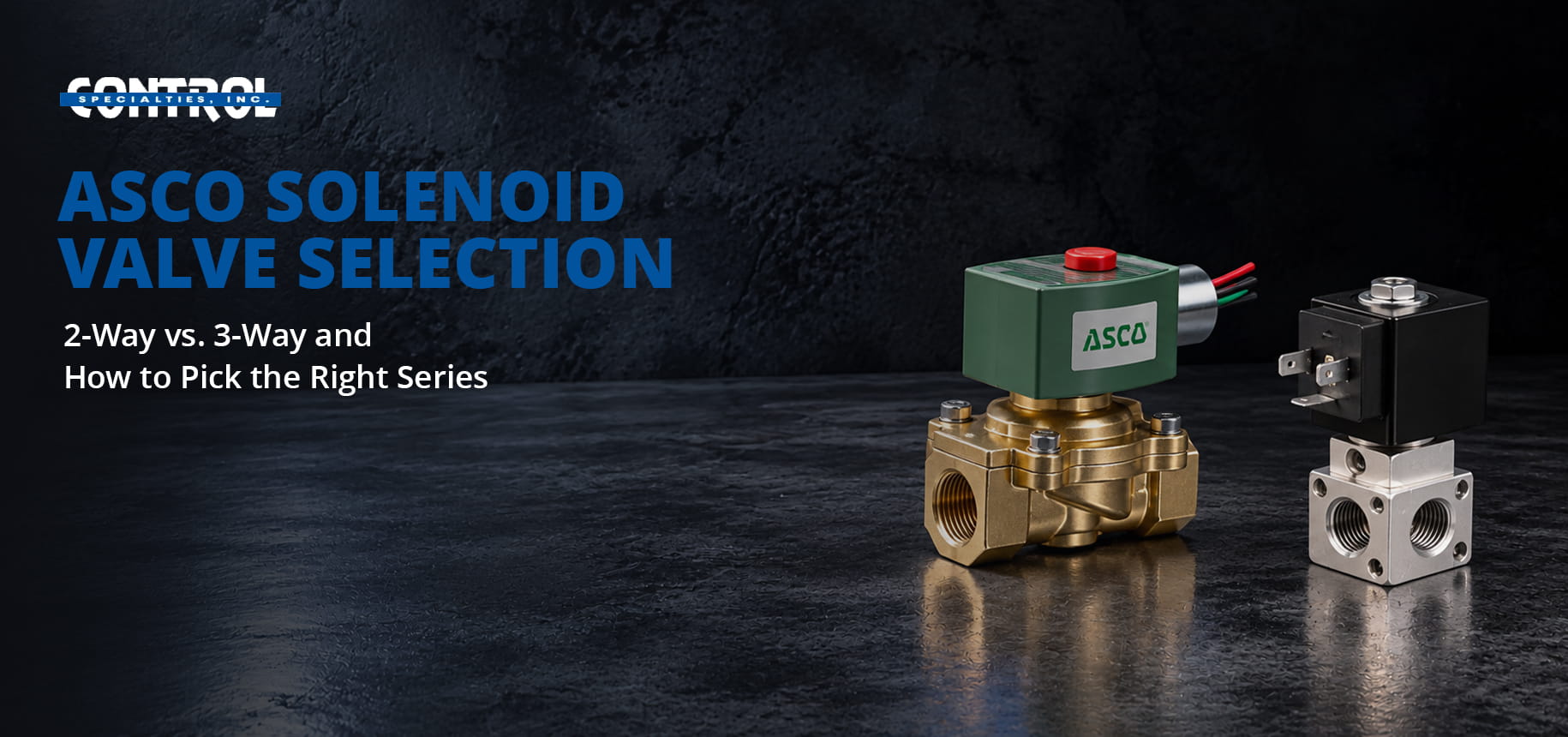
Apollo Pressure Relief Valve Sizing: How to Match BTU Rating to the Right Valve

Apollo Pressure Relief Valve Sizing: How to Match BTU Rating to the Right Valve

Not all pressure relief valves with the same pressure rating provide the same level of protection. The key difference is often their BTU/hr capacity, which determines whether a valve can safely relieve excess heat during an overpressure event.

Proper valve sizing depends on your equipment's maximum heat input, operating pressure, and the valve's certified relief capacity. An undersized Apollo pressure relief valve may open at the correct set pressure but still fail to discharge heat quickly enough, increasing the risk of equipment damage, safety hazards, and code compliance issues.

Read more

Kunkle Safety Relief Valve: Set Pressure, Testing and Recertification Explained

Kunkle Safety Relief Valve: Set Pressure, Testing and Recertification Explained

Pressure relief devices are the last line of defense against dangerous overpressure in boilers, pressure vessels, and process systems. A properly selected and maintained Kunkle Safety Relief Valve helps protect equipment, personnel, and operations by opening at a predetermined pressure before system limits are exceeded.

However, reliable performance depends on more than valve quality. Incorrect set pressure, missed testing, or overdue recertification can lead to safety risks, unplanned downtime, regulatory issues, and costly equipment damage.

Read more

Rotary Joint Selection Guide: What to Check Before You Buy a Replacement

Rotary Joint Selection Guide: What to Check Before You Buy a Replacement

A replacement rotary joint may look identical to the one it replaces, but small differences in operating conditions can have a major impact on performance. Selecting the wrong component can result in persistent leaks, premature seal wear, unexpected downtime, and costly repairs.

Whether you're replacing a failed unit or planning preventive maintenance, verifying the right specifications before you buy can help improve equipment reliability and reduce long-term operating costs.

Read more

Steam Trap vs. Condensate Drain Trap: Which One Does Your System Actually Need?

Steam Trap vs. Condensate Drain Trap: Which One Does Your System Actually Need?

Condensate is an unavoidable byproduct in both steam and compressed air systems. If it's not removed efficiently, it can reduce equipment performance, increase energy consumption, accelerate corrosion, and contribute to costly downtime.

Although steam traps and condensate drain traps both discharge accumulated liquid automatically, they're designed for different operating conditions and perform distinct functions. Selecting the appropriate device is essential for protecting equipment, improving system reliability, and maintaining operational efficiency.

Read more

Fall Plant Turnaround Valve Checklist: What to Inspect, Test and Replace Before Shutdown

Fall Plant Turnaround Valve Checklist: What to Inspect, Test and Replace Before Shutdown

For many industrial facilities, fall marks the ideal window for scheduled maintenance. Cooler temperatures, seasonal production slowdowns, and the need to ensure reliable winter operations make autumn the perfect time to execute a fall plant turnaround valve checklist.

However, the success of any planned outage depends on thorough preparation. Overlooking critical valve assets can lead to unexpected equipment failures, costly downtime, extended shutdowns, and long lead times for replacement parts.

Read more

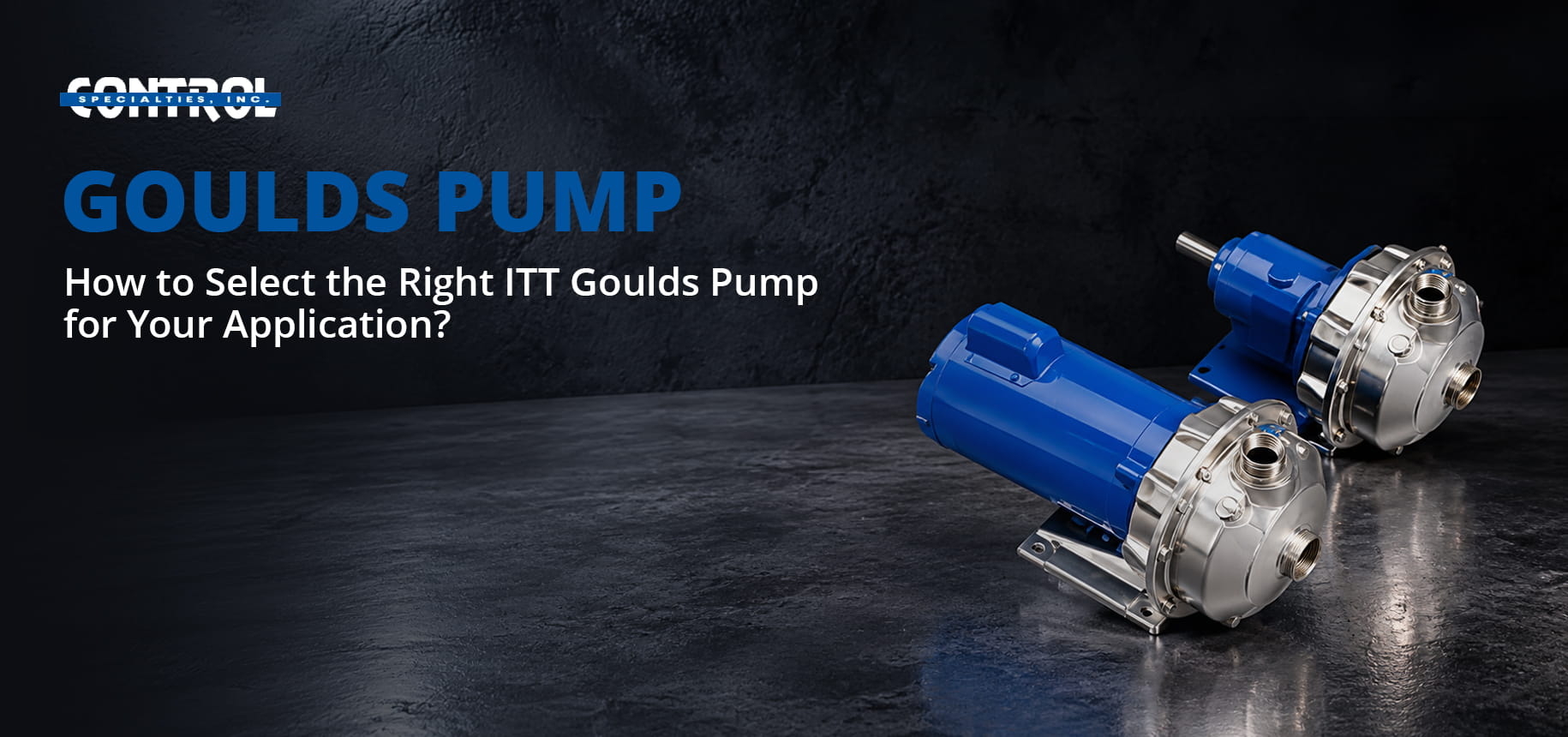
Goulds Pump Model Guide: How to Read Part Numbers and Select the Right Industrial Pump

Goulds Pump Model Guide: How to Read Part Numbers and Select the Right Industrial Pump

When replacing Goulds pumps, matching the motor horsepower alone can lead to costly mistakes. Horsepower doesn't define how a pump performs; the model number does. A Goulds pump model number identifies key specifications such as pump size, hydraulic design, impeller diameter, materials of construction, and configuration.

The pump nameplate also provides essential details, including flow rate, head, RPM, serial number, and construction materials, making it easier to order the correct replacement pump or spare parts. Whether you're replacing a process pump, vertical turbine pump, or troubleshooting an existing system, understanding the model number helps ensure accurate selection, minimizes downtime, and prevents costly compatibility issues.

Read more

How to Size a Circulator Pump: A Step-by-Step Guide for Residential and Commercial HVAC Systems

How to Size a Circulator Pump: A Step-by-Step Guide for Residential and Commercial HVAC Systems

Circulator pump sizing is a critical part of an HVAC system design that directly affects performance, efficiency, and equipment life. An undersized pump may fail to deliver the required flow, resulting in uneven room temperatures, poor heat transfer, increased equipment runtime, and reduced system efficiency.

Proper sizing ensures the pump provides the correct flow rate while overcoming system resistance from piping, fittings, valves, and heat transfer equipment. Although residential and commercial HVAC systems vary in size, the basic sizing principles remain the same.

Read more

Chemical Dosing Pumps vs. Metering Pumps: Is There Really a Difference?

Chemical Dosing Pumps vs. Metering Pumps: Is There Really a Difference?

Ask five engineers whether a chemical dosing pump and a metering pump are the same, and you may receive five different answers. While these terms are often used interchangeably across product catalogs, technical documents, and industry discussions, their intended applications can vary depending on flow accuracy, chemical handling requirements, and system conditions.

Choosing the wrong pump involves more than terminology, it can affect the accuracy, efficiency, and long-term reliability of the entire process. It can impact the entire process. A pump that cannot deliver precise flow rates, withstand chemical properties, or operate against required system pressure may result in inaccurate dosing, increased chemical consumption, process inefficiencies, and costly downtime.

Read more

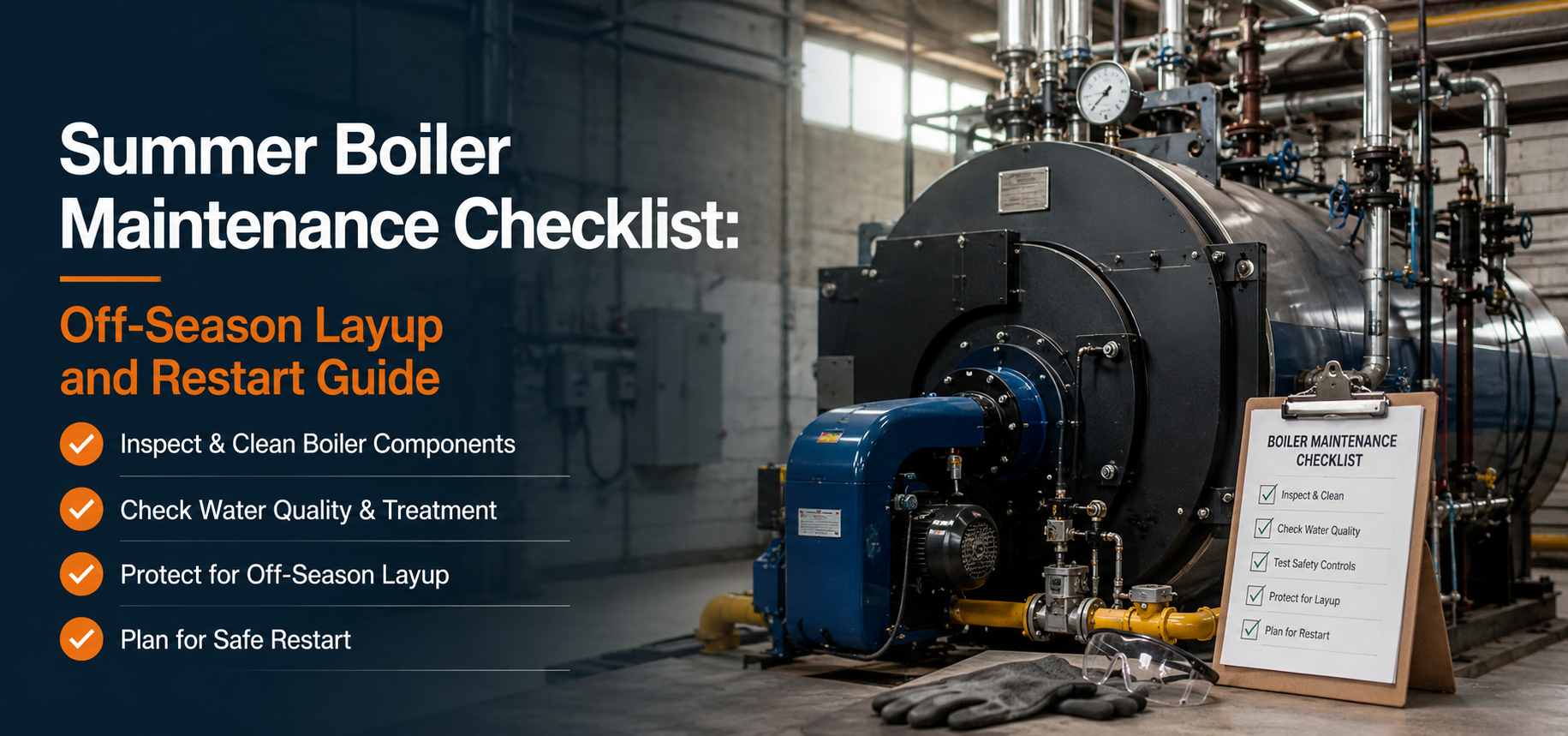
Summer Boiler Maintenance Checklist: Off-Season Layup and Restart Guide

Summer Boiler Maintenance Checklist: Off-Season Layup and Restart Guide

As temperatures rise and the heating season comes to an end, many facility managers turn their attention to other priorities. However, summer is one of the most important times to protect your boiler system. Without proper maintenance and monitoring of critical components such as back pressure regulators, an idle boiler can become vulnerable to corrosion, scale buildup, and mechanical deterioration that often go unnoticed until the next heating season.

Effective off-season boiler care follows four essential stages: Shutdown → Layup → Inspection → Restart.

Read more