Table of contents
- Why Summer Creates Additional Stress on Vacuum Pump Systems
- The Primary Causes of Vacuum Pump Failure in Summer
- How to Know if Your Vacuum Pump is Failing
- Summer Maintenance Best Practices: Your Vacuum Pump Failure Prevention Checklist
- Protecting Vacuum System Inlets: Why Strainers and Filters Matter
- Why Condensate Management Becomes Critical During Summer
- Preventing Vacuum Pump Downtime: Practical Strategies for Facility Managers
- Vacuum Pump Troubleshooting: What to Do When Warning Signs Appear
- Keep Your Vacuum Pumps Running Reliably this Summer with Control Specialties
- Frequently Asked Questions (FAQs)
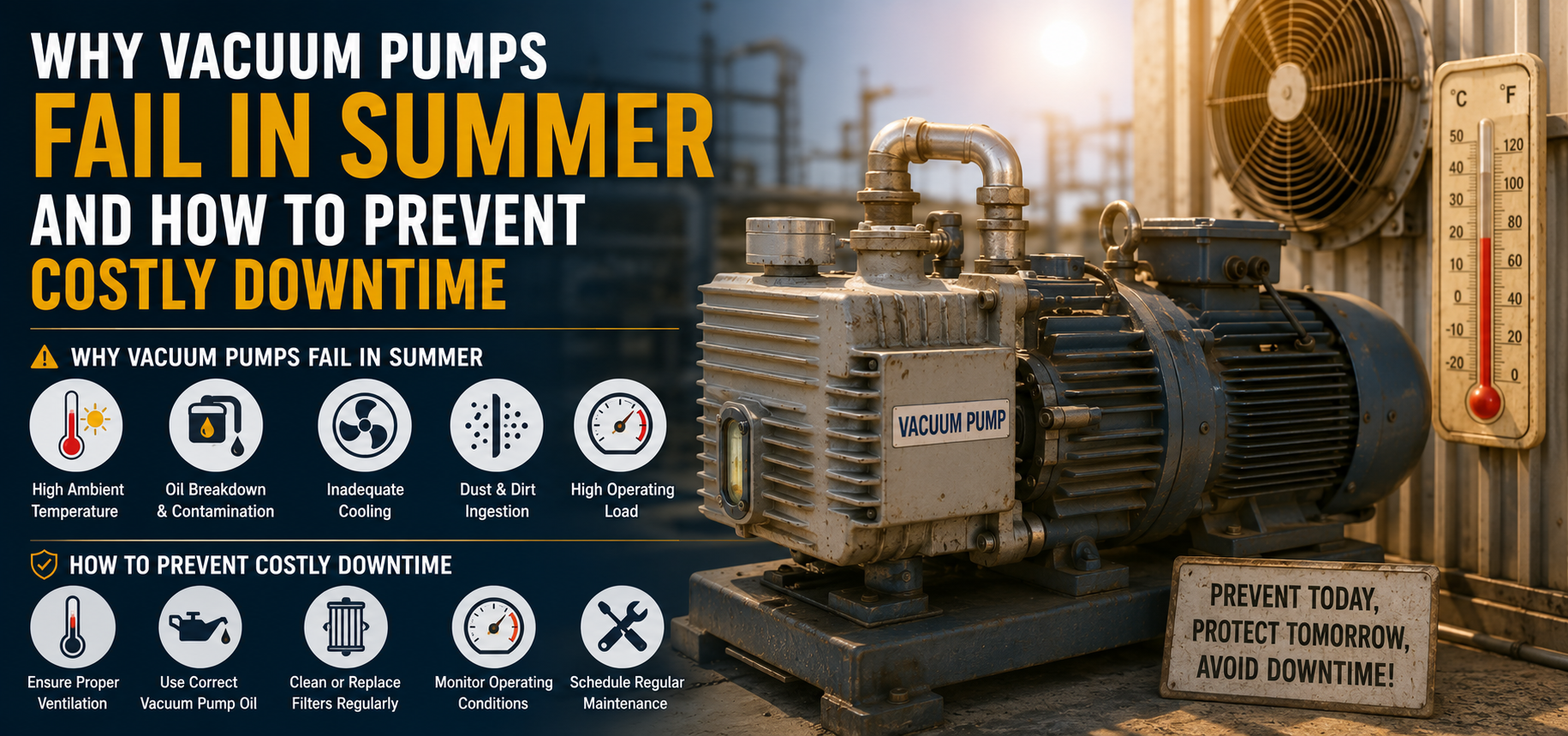
Summer heat can be tough on vacuum pumps. As temperatures rise, factors such as high ambient heat, humidity, and poor airflow place extra strain on your system, increasing the risk of overheating, oil breakdown, reduced performance, and unexpected downtime.
Fortunately, most summer-related failures don't happen without warning. By understanding the progression from heat to oil degradation, performance loss, warning signs, and ultimately failure, maintenance teams can identify problems early and take corrective action.
In this blog, we'll walk through the most common summer vacuum pump challenges, the warning signs to watch for, and the preventive measures that help keep equipment running reliably during peak temperatures.
Why Summer Creates Additional Stress on Vacuum Pump Systems
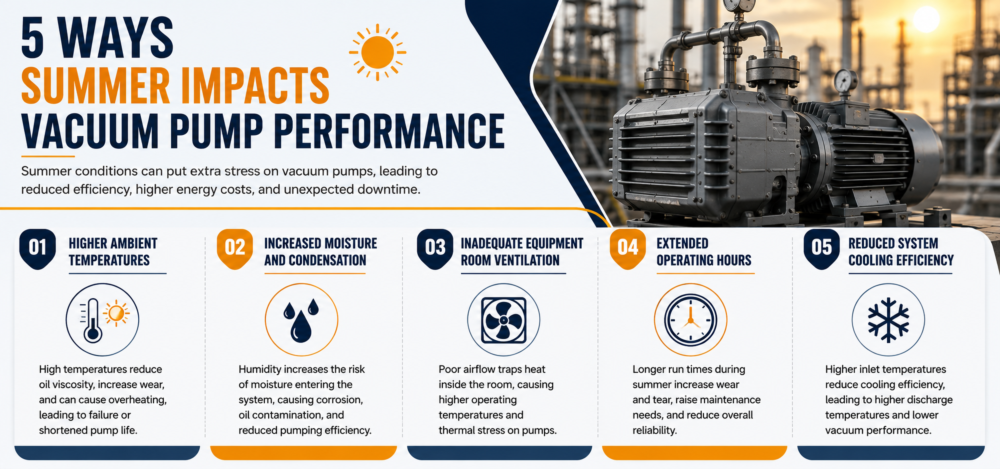
Summer conditions can place significant stress on vacuum pumps. Understanding how heat, humidity, and poor ventilation affect system performance is essential for preventing costly downtime and equipment failures.
Elevated Ambient Temperatures
Most oil-sealed rotary vane vacuum pumps are designed to operate efficiently in ambient temperatures between 50°F and 95°F (10°C to 35°C).
When temperatures consistently exceed this range, as they often do throughout the southern and mid-Atlantic United States during summer, the pump must work harder to maintain safe operating conditions.
Vacuum pumps naturally generate heat during operation, and internal temperatures can run 40°F to 60°F higher than the surrounding environment.
For example,
if a mechanical room reaches 100°F, internal pump temperatures can climb to 140°F to 160°F or more. At these elevated temperatures:
- Vacuum pump oil oxidizes more rapidly.
- Lubrication effectiveness declines.
- Varnish and sludge begin to form.
- Internal components experience increased friction and wear.
- Bearings, seals, and vanes face greater thermal stress.
Over time, excessive heat can shorten oil life, reduce pumping efficiency, and increase maintenance frequency.
Increased Humidity and Condensation Risks
Summer air contains significantly more moisture than cooler seasonal air. As humid air enters the vacuum system, water vapor can condense inside the pump housing and mix with the lubricating oil.
This contamination creates several problems:
- Oil becomes diluted and loses lubricating properties.
- Emulsified oil reduces heat transfer efficiency.
- Internal metal surfaces become more susceptible to corrosion.
- Vacuum performance becomes less stable.
- Component wear accelerates due to inadequate lubrication.
Facilities operating in humid climates should pay particular attention to moisture management. A properly maintained Condensate Drain Trap helps remove accumulated moisture before it can compromise pump performance, making it an important safeguard during high-humidity months.
Poor Ventilation in Mechanical Rooms
Mechanical rooms often become heat traps during the summer. Equipment that normally operates without issue may suddenly struggle when ambient temperatures rise and airflow becomes restricted.
Without proper ventilation:
- Heat generated by the pump remains trapped in the room.
- Ambient temperatures continue to climb throughout the day.
- Cooling efficiency decreases.
- Pumps run hotter for longer periods of time.
- Nearby equipment contributes additional thermal load.
This creates a cycle in which the pump heats the room, the room heats the pump, and operating temperatures continue to rise. Facilities with enclosed mechanical spaces should routinely inspect ventilation systems, exhaust fans, and airflow pathways before peak summer temperatures arrive.
Longer Operating Hours and Higher Production Demands
For many industrial facilities, summer coincides with increased production schedules and extended equipment run times. Continuous operation leaves less opportunity for pumps to cool between cycles, placing additional stress on lubricants and internal components.
When combined with elevated temperatures and humidity, extended run times can accelerate:
- Oil degradation
- Seal wear
- Bearing fatigue
- Performance loss
- Unplanned maintenance events
Monitoring operating temperatures and adhering to preventive maintenance schedules becomes even more important during periods of heavy usage.
Reduced Cooling Efficiency Across the System
Many vacuum systems rely on adequate airflow or cooling mechanisms to dissipate heat. Dust accumulation, clogged filters, blocked vents, or neglected maintenance can significantly reduce cooling efficiency during the hottest months of the year.
Even a small reduction in cooling performance can cause operating temperatures to rise enough to impact oil life and system reliability. Routine inspections of ventilation pathways, cooling components, and filtration systems can help prevent heat-related failures before they occur.
The Primary Causes of Vacuum Pump Failure in Summer
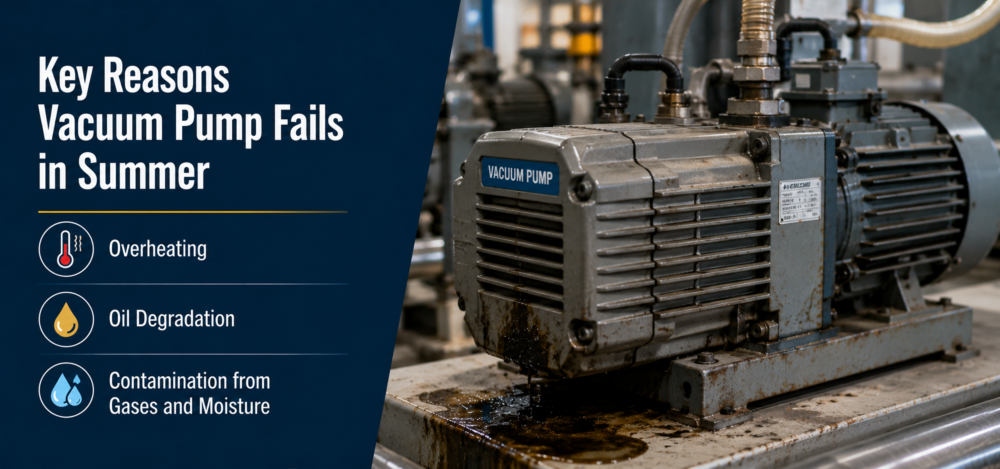
Summer heat, oil degradation, and contamination can place significant stress on vacuum pumps and increase the risk of failure. Understanding these common issues helps maintenance teams identify problems early on and prevent unplanned downtime.
1. Overheating: The Most Common Summer Failure Mode
Overheating is one of the leading causes of vacuum pump failure during the summer months. When operating temperatures rise beyond recommended limits, the impact extends far beyond reduced efficiency. Excessive heat accelerates wear on internal components, shortens lubricant life, and increases the risk of costly mechanical failures.
As temperatures climb, internal components expand, reducing critical operating clearances and increasing friction throughout the pump. Prolonged exposure to high temperatures can lead to:
- Premature seal and O-ring deterioration
- Accelerated vane wear
- Bearing damage and lubrication failure
- Reduced vacuum performance
- Increased energy consumption
- Unexpected equipment shutdowns
Common causes of vacuum pump overheating include:
- Inadequate ventilation around the pump
- Blocked cooling fins or airflow passages
- Clogged or restricted air compressor filters
- Oil that has exceeded its recommended service life
- Continuous operation beyond the pump's rated duty cycle
- Installation in confined spaces with insufficient clearance
When investigating overheating issues, start by inspecting ventilation conditions, cooling surfaces, and the condition of your air compressor filters. Restricted airflow forces the system to work harder, increasing operating temperatures and accelerating component wear.
2. Oil Degradation: The Silent Killer of Vacuum Pumps
While overheating is often the visible symptom, oil degradation is frequently the underlying cause of long-term vacuum pump damage. Summer heat significantly accelerates the breakdown of vacuum pump oil, reducing its ability to lubricate, seal, and dissipate heat effectively.
Fresh vacuum pump oil performs three critical functions:
- Lubricates moving components
- Creates sealing surfaces required for vacuum generation
- Transfers heat away from internal parts
As oil deteriorates, all three functions become compromised, creating a cycle of increasing temperatures and declining performance.
Stage 1: Oxidation
Elevated temperatures accelerate oxidation, causing the oil to darken and thicken. As oxidation progresses, lubrication quality declines, and varnish or sludge deposits begin forming on internal surfaces.
Warning Signs:
- Darkened oil color
- Sticky deposits inside sight glasses
- Rising operating temperatures
- Reduced lubrication performance
Stage 2: Thermal Cracking
At extreme temperatures, oil molecules begin to break apart. Lighter fractions evaporate, increasing oil consumption and reducing overall lubricant effectiveness.
Potential Impacts:
- Increased oil usage
- Reduced vacuum efficiency
- Greater risk of overheating
- Process contamination concerns
Stage 3: Emulsification
High summer humidity introduces moisture into the system. When water mixes with oil, it forms a milky emulsion that cannot properly lubricate moving components.
Common Symptoms:
- Cloudy or milky oil appearance
- Increased corrosion risk
- Reduced heat transfer capability
- Accelerated component wear
Stage 4: Carbonization
Severely degraded oil eventually forms hard carbon deposits on vanes, valves, and exhaust passages. These deposits restrict flow, increase operating temperatures, and further accelerate mechanical deterioration.
Results May Include:
- Restricted airflow
- Higher operating temperatures
- Reduced pumping speed
- Premature component failure
Under normal operating conditions, manufacturers typically recommend oil changes every 500 to 2,000 operating hours. During periods of extreme heat, high humidity, or heavy usage, facilities should consider shortening oil change intervals to 300 to 500 hours and closely monitor oil condition throughout the season.
3. Contamination from Process Gases, Vapors, and Moisture
Summer often brings increased production demands, which means greater volumes of process gases, vapors, and airborne contaminants moving through the vacuum system. Without adequate filtration and moisture management, these contaminants accumulate in the pump oil and significantly accelerate degradation.
Common contaminants include:
- Water vapor and condensate
- Process chemicals
- Fine particulates
- Oil mist and residues
- Corrosive vapors
As contamination levels increase, vacuum pumps experience:
- Faster oil degradation
- Reduced vacuum performance
- Increased corrosion
- Higher maintenance requirements
- Greater risk of unexpected failure
Implementing regular Drain-All procedures helps remove accumulated condensate and contaminants before they can damage the system. In addition, a properly functioning Condensate Drain Trap installed upstream of the pump helps prevent liquid contamination from entering the pump housing.
Without proper condensate management, moisture can contaminate pump oil and increase the risk of hydraulic lock, potentially causing severe equipment damage. Controlling heat, monitoring oil condition, and preventing contamination are key to improving the reliability of summer vacuum pumps.
How to Know if Your Vacuum Pump is Failing
Vacuum pumps often show warning signs before a major failure occurs. Monitoring performance, temperature, oil condition, and unusual noise can help identify issues early on and prevent costly downtime.
Vacuum Pump Failure Warning Signs and Corrective Actions
| Symptom | Likely Cause | Recommended Action |
|---|---|---|
| Reduced vacuum level or slower pull-down speed | Worn vanes, degraded oil, air leaks, clogged filters, or internal contamination | Check oil condition, inspect for leaks, and inspect or replace air compressor filters if airflow restrictions are present. |
| Elevated operating temperature (above 180°F) | Poor ventilation, degraded oil, excessive workload, or restricted cooling airflow | Improve ventilation, verify cooling airflow, replace degraded oil, and confirm the pump is operating within its rated duty cycle. |
| Unusual noises (knocking, rattling, grinding, or squealing) | Bearing wear, vane damage, carbon buildup, liquid contamination, or internal component wear | Inspect internal components, remove accumulated condensate, and verify the Condensate Drain Trap is functioning properly. |
| Dark, milky, or gritty oil | Oxidation, moisture contamination, thermal degradation, and particulate ingestion | Drain all contaminated oil, flush the system if necessary, and replace with fresh oil and new filtration components. |
| Increased oil consumption | Thermal cracking, seal wear, excessive operating temperatures, and incorrect lubricant selection | Inspect seals for wear, review operating temperatures, and consider using an oil grade designed for high-temperature conditions. |
| Frequent thermal overload trips | Overheating caused by inadequate cooling, restricted airflow, or degraded oil | Inspect ventilation systems, clean cooling surfaces, replace degraded oil, and reduce ambient temperatures where possible. |
| Blue or white exhaust smoke | Oil burning due to severe degradation, contamination, or internal wear | Perform an immediate oil inspection and change; evaluate internal components for potential damage. |
| Excessive vibration | Bearing wear, rotor imbalance, vane deterioration, and carbon deposits on rotating components | Schedule an internal inspection and review maintenance records for recurring issues or missed service intervals. |
Don't Ignore Early Warning Signs
Many facilities continue operating a vacuum pump after noticing minor performance changes, assuming the issue can wait until the next scheduled maintenance window. Unfortunately, symptoms such as rising temperatures, oil discoloration, unusual noise, or declining vacuum performance often indicate that damage is already developing internally.
Addressing these warning signs early can help prevent:
- Unexpected production downtime
- Premature component failure
- Costly emergency repairs
- Reduced equipment lifespan
- Increased energy consumption
The sooner the abnormalities are identified and corrected, the greater the opportunity to avoid major repairs and keep vacuum systems operating reliably throughout the summer season.
Summer Maintenance Best Practices: Your Vacuum Pump Failure Prevention Checklist
Preventing summer vacuum pump failures starts with proactive maintenance. By addressing heat, humidity, and contamination risks early, facilities can reduce downtime, extend equipment life, and maintain reliable system performance throughout the summer.
Monthly Actions (June to September)
These inspections should be performed monthly or more frequently in high-temperature or high-humidity environments.
Monitor Oil Condition
Vacuum pump oil provides lubrication, sealing, and cooling. During the summer, its condition can deteriorate quickly.
- Perform an oil analysis or visual inspection.
- Compare the sample to fresh oil.
- Look for darkening, cloudiness, milky appearance, or gritty particles.
- Change oil immediately if contamination or degradation is detected.
Inspect and Replace Filters
Restricted airflow is a major contributor to overheating.
- Inspect all air compressor filters connected to or supporting the vacuum system.
- Check for dirt buildup, clogging, or reduced airflow.
- Replace filters at the first sign of restriction rather than waiting for a scheduled replacement interval.
- Verify that intake and cooling airflow pathways remain unobstructed.
Verify Condensate Removal Systems
Summer humidity can introduce significant moisture into vacuum systems.
- Inspect the Condensate Drain Trap for proper operation.
- Confirm that the Drain-All function is effectively removing accumulated condensate.
- Check for standing water, clogged drains, or signs of moisture carryover.
- Increase inspection frequency in high-humidity environments.
Check Ventilation and Cooling Airflow
Mechanical rooms often experience elevated temperatures during summer.
- Verify required clearance around the vacuum pump.
- Ensure cooling fins and airflow passages remain clean.
- Confirm exhaust fans and ventilation systems are operating correctly.
- Remove any obstructions that may restrict airflow around the equipment.
Track Operating Temperatures
Temperature trends often reveal developing problems before performance suffers.
- Record pump housing or oil temperature at consistent intervals.
- Measure temperatures at the same location during each inspection.
- Investigate any steady increase in operating temperature, even if vacuum performance appears normal.
Quarterly Actions
Quarterly maintenance provides an additional layer of protection against heat-related failures and component wear.
Perform a Complete Oil Change
Even if the oil appears serviceable, summer operating conditions accelerate degradation.
- Replace vacuum pump oil every quarter during peak summer operation.
- Use the manufacturer-recommended oil grade for your operating environment.
- Consider high-temperature formulas when ambient temperatures routinely exceed normal ranges.
Inspect the Thompson Strainer
Debris accumulation can restrict flow and reduce system efficiency.
- Inspect the Thompson Strainer for dirt, particulate buildup, or blockage.
- Clean or replace components as needed.
- Verify unrestricted flow through the inlet system.
A restricted strainer can reduce pull-down speed, increase operating temperatures, and place additional load on the pump.
Inspect Couplings and Drive Components
Mechanical wear creates additional resistance and heat.
- Check belts for cracking, glazing, or improper tension.
- Inspect couplings for wear or misalignment.
- Replace worn components before they contribute to overheating or vibration issues.
Replace Exhaust Filters
Exhaust filters gradually accumulate oil mist and contaminants.
- Inspect exhaust oil-mist filters for restriction.
- Replace filters according to operating conditions rather than calendar schedules.
- Monitor exhaust backpressure, which can increase internal pump temperatures and reduce efficiency.
Pre-Season Actions (Before Summer Begins)
The most effective way to prevent summer failures is to prepare before temperatures begin rising.
Start with Fresh Oil and Filters
Beginning the season with clean consumables helps maximize reliability.
- Perform a complete oil change.
- Replace intake, exhaust, and system filters as needed.
- Verify that lubrication and filtration systems are functioning properly.
Establish a Temperature Baseline
Knowing what "normal" looks like makes it easier to identify developing problems.
- Record operating temperatures under typical spring conditions.
- Document temperatures during normal production loads.
- Use these readings as a benchmark throughout the summer.
Test Ventilation Systems
Cooling systems should be verified before they are needed most.
- Inspect exhaust fans, louvers, and ventilation equipment.
- Confirm adequate airflow throughout the mechanical room.
- Address any deficiencies before peak temperatures arrive.
Stock Critical Spare Parts
Even well-maintained equipment can experience unexpected issues. Keep essential replacement components on hand, including:
- Vacuum pump oil
- Intake and exhaust filters
- Seal kits
- Vanes for critical pump models
- Maintenance consumables
Having these items readily available can significantly reduce downtime and speed up recovery if a failure occurs during the busiest part of the season.
A proactive seasonal maintenance program can significantly reduce the risk of summer vacuum pump failures. Regularly monitoring oil condition, filtration, condensate management, and operating temperatures helps identify issues early on and maintain reliable system performance.
Protecting Vacuum System Inlets: Why Strainers and Filters Matter
Many vacuum pump issues originate at the system inlet, where particulates, condensate, and contaminants can enter and accelerate wear. Proper inlet protection helps preserve oil quality, improve efficiency, and enhance reliability, especially during demanding summer conditions.
Thompson Strainer: A Quick Overview
A Thompson Strainer serves as the first line of defense for the vacuum pump, capturing debris and solid contaminants before they reach sensitive internal components.
As contaminants accumulate, inlet restrictions begin to develop. Even partial blockage can affect system performance by:
- Reducing vacuum pull-down speed
- Increasing differential pressure across the system
- Forcing the pump to work harder to achieve target vacuum levels
- Raising operating temperatures
- Accelerating oil degradation and component wear
Summer conditions can intensify these issues. Increased production activity, higher dust levels, and greater condensate formation often lead to faster contaminant buildup at the inlet.
To maintain peak performance, facilities should inspect the Thompson Strainer regularly throughout the summer and clean or replace elements whenever signs of restriction are detected.
Why Air Compressor Filters are Equally Important
Many vacuum-assisted processes rely on compressed air systems that directly influence vacuum system performance. In these applications, properly maintained air compressor filters play a critical role in preventing contaminants from reaching downstream equipment.
These filters help remove:
- Moisture and condensate
- Oil aerosols and carryover
- Dust and airborne particulates
- Process contaminants that can affect vacuum performance
When air compressor filters become saturated or clogged, contaminants can bypass the filtration system and enter the process stream. Over time, these contaminants migrate into the vacuum system, contaminating pump oil, reducing efficiency, and increasing maintenance requirements.
Summer Humidity Creates Additional Filtration Challenges
High humidity levels place additional strain on filtration and moisture-removal equipment.
During summer operations:
- Coalescing filters must remove larger volumes of moisture.
- Desiccant media can become saturated more quickly.
- Condensate production increases throughout the system.
- Filter performance may decline faster than expected.
As a result, filtration systems that perform adequately during cooler months may require more frequent inspections and maintenance during periods of elevated temperature and humidity.
A Small Maintenance Task with a Big Impact
Routine inspection of inlet strainers and filtration components can significantly reduce the risk of overheating, contamination, oil degradation, and premature equipment failure. By ensuring contaminants are removed before they reach the pump, facilities can improve vacuum performance, extend oil life, and reduce the likelihood of costly summer breakdowns.
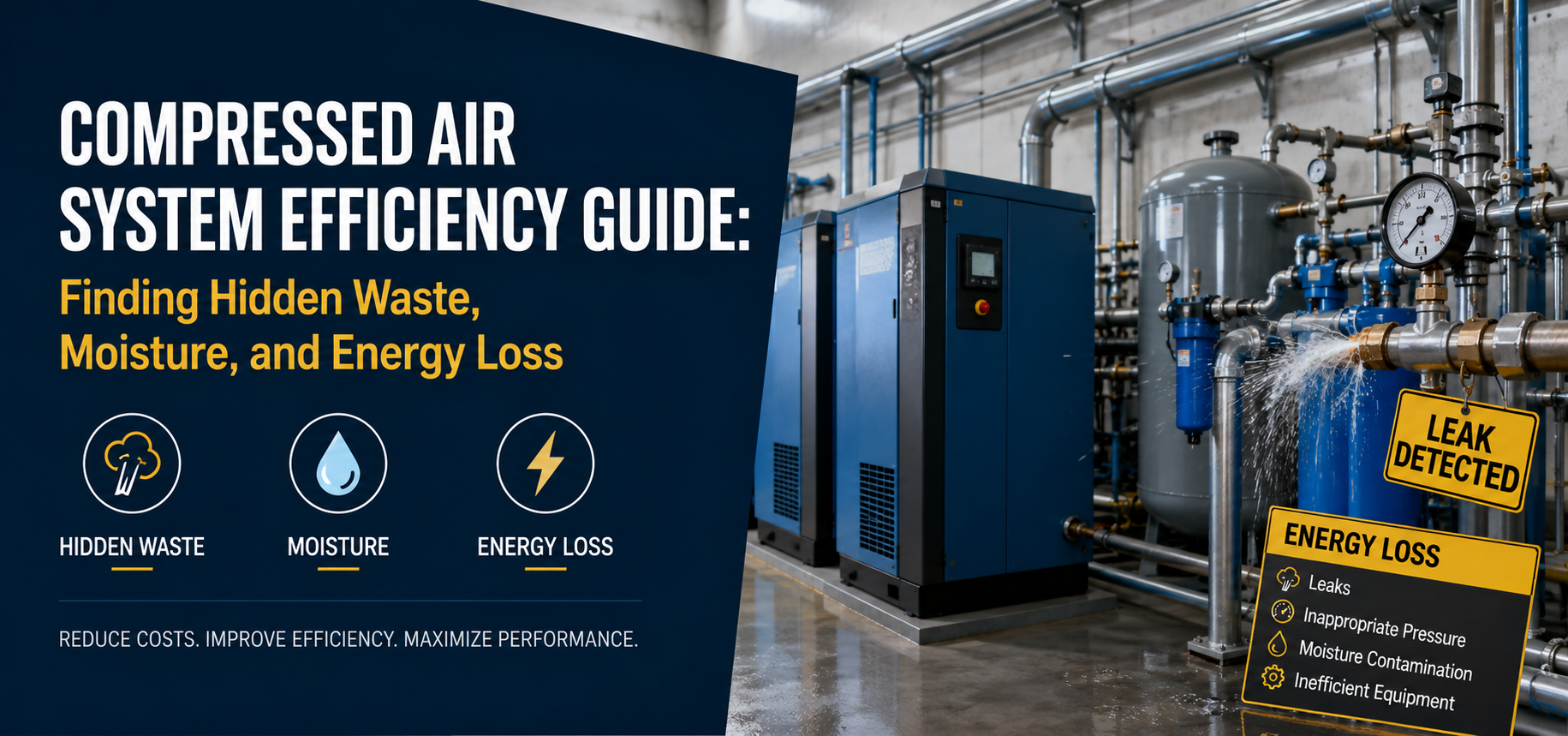
For a comprehensive approach to system-wide efficiency, see our Compressed Air System Efficiency Guide, which explores how filtration, moisture management, and system design work together to improve reliability and extend equipment life.
Why Condensate Management Becomes Critical During Summer
Summer heat and humidity can both impact vacuum pump reliability. Excess moisture can contaminate oil, accelerate corrosion, and increase equipment wear. Without proper condensate management, these issues can quickly lead to performance and reliability problems.
The Role of Condensate Drain Traps
A properly functioning Condensate Drain Trap is one of the most important defenses against moisture-related vacuum pump failures. Installed upstream of the pump, it removes liquid condensate before it can enter the pump housing and contaminate the oil supply.
When condensate is not effectively removed, several problems can develop, including:
- Oil becomes diluted and loses lubricating properties.
- Water contamination accelerates oil emulsification.
- Internal metal surfaces become vulnerable to corrosion.
- Heat transfer efficiency declines.
- Component wear increases due to inadequate lubrication.
- Vacuum performance becomes less stable and predictable.
Because these issues often develop gradually, facilities may not recognize the impact until the performance has already begun to decline.
Why the Drain-All Procedure Matters More in Summer
The Drain-All procedure plays a critical role in removing accumulated condensate throughout the vacuum system. During periods of high humidity, separator bowls, traps, and low points in the piping network can collect moisture much faster than they do during cooler months.
To minimize contamination risks:
- Increase condensate inspections during periods of elevated humidity.
- Drain moisture from collection points regularly.
- Verify that separator bowls are not reaching capacity.
- Ensure condensate removal equipment is functioning correctly.
For systems equipped with manual drains, daily inspection may be necessary during peak summer conditions. Systems with automatic drains should be checked regularly to confirm proper timer or float operation.
Watch for Warning Signs of Vacuum Pump Failure
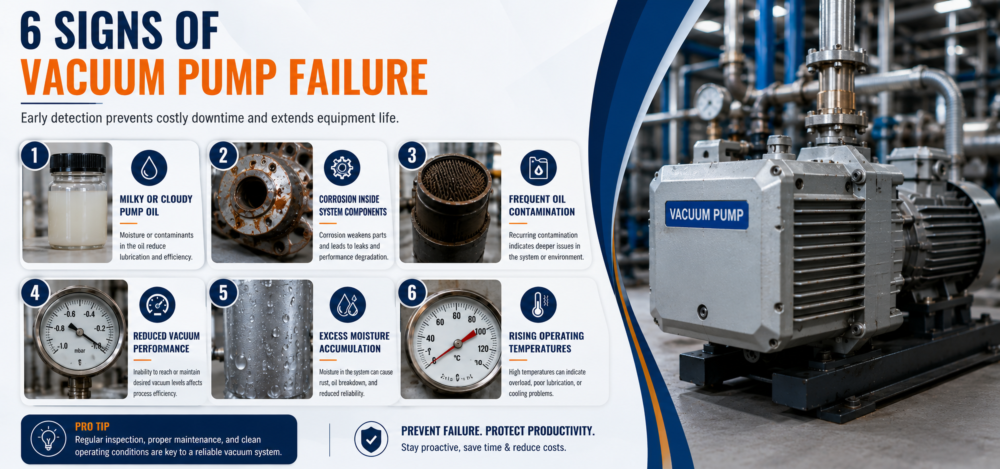
Condensate management issues often reveal themselves before major damage occurs. Maintenance teams should investigate if they notice:
- Milky or cloudy vacuum pump oil
- Increased corrosion inside system components
- Frequent oil changes caused by contamination
- Reduced vacuum performance
- Excessive moisture in separator bowls
- Unexplained increases in operating temperatures
One particularly important indicator is condensate discharge volume. During humid summer weather, increased condensate output is generally a sign that the system is removing moisture as intended.
If condensate discharge suddenly drops during humid conditions, it may indicate a blocked or failed Condensate Drain Trap. Left unchecked, condensate can contaminate pump oil and accelerate equipment damage.
Consistently maintaining condensate removal equipment and following a regular Drain-All routine helps protect oil quality, improve reliability, and reduce moisture-related failures.
Preventing Vacuum Pump Downtime: Practical Strategies for Facility Managers
Vacuum pump failures can lead to costly downtime, production disruptions, and unexpected maintenance expenses. Taking a proactive approach to summer maintenance helps reduce failure risk and keep operations running smoothly during peak demand periods.
Move from Time-Based to Condition-Based Oil Changes
One of the most effective ways to prevent heat-related failures is to monitor oil conditions rather than relying solely on fixed maintenance intervals.
Summer temperatures can accelerate oil degradation, causing lubricant performance to decline long before the next scheduled oil change. Regular inspections allow maintenance teams to identify problems before they lead to overheating or internal wear.
During routine inspections, look for:
- Darkened or burnt-looking oil
- Milky oil caused by moisture contamination
- Visible particles or sludge
- Unusual oil odors
- Increased operating temperatures
If any of these signs are present, replace the oil immediately, regardless of operating hours. During summer, monthly oil inspections provide an effective early-warning system for developing issues.
Verify Thermal Protection Systems are Working Properly
Overheating remains the leading cause of summer vacuum pump failures, making thermal protection a critical safeguard.
Most modern vacuum pumps include thermal overload protection designed to shut the system down before temperatures reach damaging levels. However, older equipment may lack adequate protection, or shutdown thresholds may be improperly configured.
Facility managers should:
- Test thermal protection devices regularly.
- Verify alarm and shutdown settings.
- Inspect temperature sensors for proper operation.
- Review temperature trends during peak summer conditions.
A controlled shutdown is always preferable to allowing the pump to continue operating under damaging temperatures that can lead to costly repairs or complete failure.
Maintain a Strategic Spare Parts Inventory
Even with an excellent maintenance program, unexpected failures can still occur. Having critical replacement components readily available can significantly reduce downtime and eliminate delays caused by emergency parts sourcing.
For summer operations, consider stocking:
- Air Compressor Filters for intake and exhaust applications
- Thompson Strainer mesh elements sized for your system requirements
- Manufacturer-recommended vacuum pump oil
- Replacement vanes for high-hour equipment
- Spare Condensate Drain Trap assemblies or repair kits
- Gaskets, seals, and commonly replaced wear components
Maintaining an inventory of high-use consumables can dramatically shorten repair times and improve overall equipment availability.
Review Seasonal Startup and Maintenance Procedures
Facilities with seasonal production fluctuations should evaluate vacuum systems before summer demand increases.
A thorough pre-season review helps identify developing issues before equipment is subjected to higher operating temperatures and heavier workloads.
Key areas to evaluate include:
- Oil condition and change history
- Filtration system performance
- Ventilation and cooling capacity
- Condensate management equipment
- Operating temperature baselines
- Component wear and service records
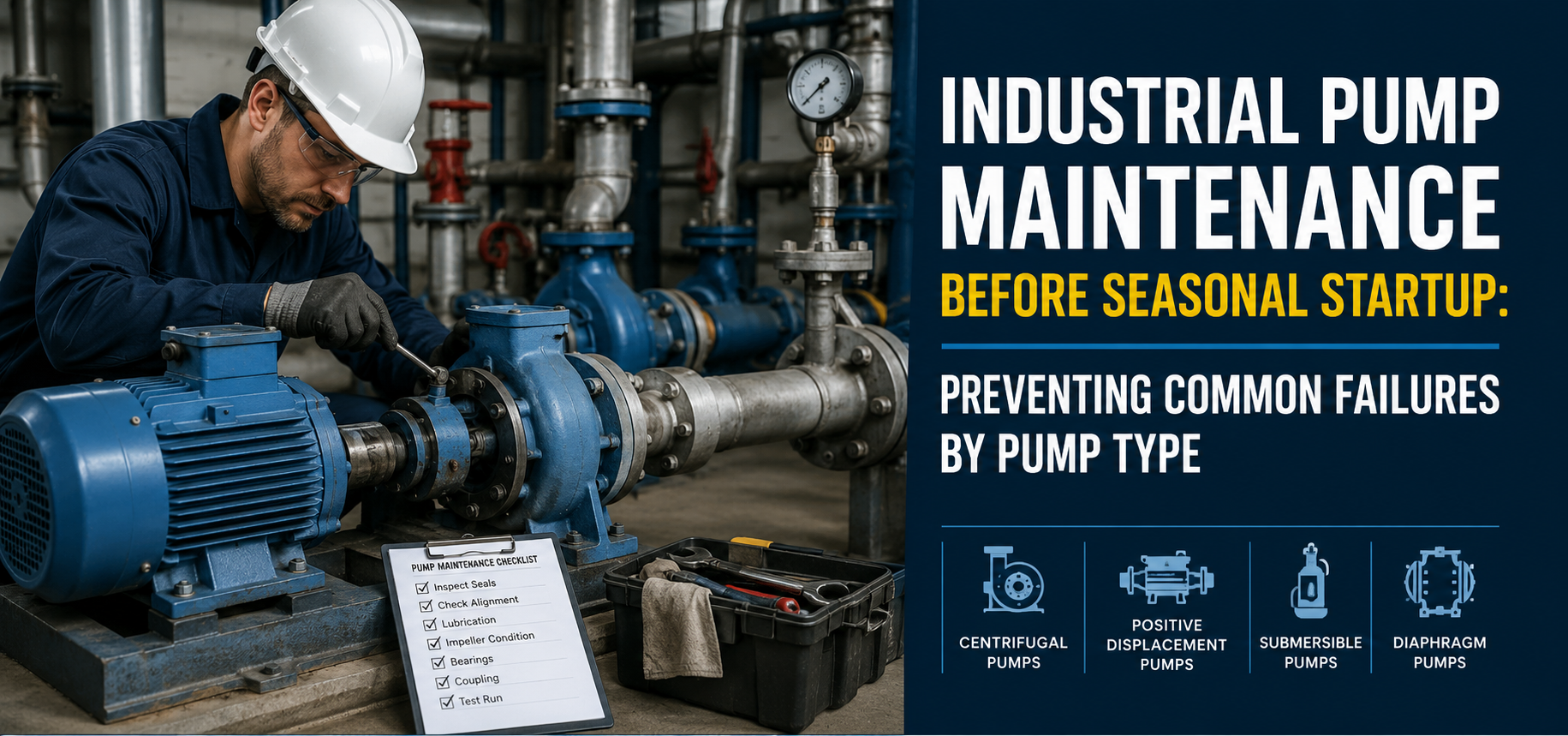
Our Industrial Pump Maintenance Before Seasonal Startup Guide outlines the inspection and preparation steps that can help reduce equipment failures during periods of increased production demand.
Know When Replacement is the Better Investment
Not every vacuum pump should be repaired indefinitely. Repeated overheating events, chronic oil contamination, declining efficiency, and recurring mechanical failures can indicate that a pump has reached the end of its practical service life.
When evaluating repair vs. replacement decisions, consider:
- Frequency of breakdowns
- Rising maintenance costs
- Lost production caused by downtime
- Energy efficiency of existing equipment
- Availability of replacement parts
- Long-term operating costs
In many cases, replacing an aging pump can provide a lower total cost of ownership than continuing to invest in repeated repairs.
Modern vacuum pump designs often offer:
- Improved thermal management
- Enhanced filtration capabilities
- Better moisture handling
- Extended maintenance intervals
- Increased energy efficiency
- Greater overall reliability
Focus on Prevention, Not Recovery
The most successful facilities treat vacuum pump reliability as an ongoing process rather than a reaction to equipment failure.
By monitoring oil conditions, maintaining filtration and condensate management systems, stocking critical spare parts, and addressing overheating risks early, facility managers can dramatically reduce summer downtime and extend the life of their vacuum equipment.
A proactive maintenance strategy not only prevents costly failures but also helps ensure consistent production, lower operating costs, and greater peace of mind throughout the hottest months of the year.
Vacuum Pump Troubleshooting: What to Do When Warning Signs Appear
When a vacuum pump begins showing signs of trouble, such as reduced vacuum performance, rising operating temperatures, unusual noise, or oil contamination, taking immediate action can prevent minor issues from becoming a costly failure.
Follow this step-by-step troubleshooting process to identify the root cause and determine the appropriate corrective action.
Step 1: Check Operating Temperatures
Start by verifying the pump's operating temperature, as overheating is one of the most common causes of summer-related failures.
- Measure the pump housing or oil temperature.
- Compare readings to the manufacturer's recommended operating range.
- Inspect ventilation, cooling airflow, and surrounding ambient conditions.
If temperatures exceed recommended limits, resolve the overheating issue before proceeding with additional diagnostics.
Step 2: Inspect Oil Condition
Vacuum pump oil often provides the clearest indication of internal system health.
- Drain a small oil sample into a clean, transparent container.
- Compare its appearance to fresh oil.
- Check for dark coloration, cloudiness, grit, sludge, or a burnt odor.
If contamination or degradation is present, perform a complete oil change before returning the pump to service.
Step 3: Inspect Strainers and Filters
Restricted filtration components can cause overheating, performance loss, and excessive mechanical stress.
Inspect the following:
- Thompson Strainer
- Air Compressor Filters
- Intake filtration components
- Exhaust oil-mist filters
Replace any element showing signs of blockage, saturation, or physical damage. Clean filtration components are essential for accurate troubleshooting, as restricted filters can mimic many other vacuum pump problems.
Step 4: Verify Condensate Removal Systems
Excess moisture can rapidly degrade oil quality and contribute to internal corrosion.
- Inspect the Condensate Drain Trap for proper operation.
- Check for moisture buildup within the system.
- Perform the Drain-All procedure to remove accumulated condensate from traps, separators, and low points in the piping network.
Any condensate management issue should be corrected immediately to prevent further contamination.
Step 5: Re-Test System Performance
After completing the maintenance steps above, operate the pump under normal load conditions and evaluate system performance.
Be sure to monitor:
- Vacuum level and pull-down speed
- Operating temperature
- Noise and vibration levels
- Oil condition after startup
If performance returns to normal, continue monitoring the system as part of your preventive maintenance program. If symptoms persist, schedule a detailed internal inspection to identify potential issues such as worn vanes, bearing damage, seal failure, or internal deposits.
A systematic troubleshooting approach can often resolve performance issues before they lead to major repairs. Addressing temperature, oil quality, filtration, and condensate management first eliminates the most common causes of vacuum pump failure and helps restore reliable operation quickly.
Keep Your Vacuum Pumps Running Reliably this Summer with Control Specialties
Summer vacuum pump failures are rarely caused by a single issue. In most cases, excessive heat, oil degradation, contamination, restricted airflow, and poor moisture management combine to reduce performance and increase the risk of costly downtime. Taking a proactive approach to maintenance can help facilities improve reliability, extend equipment life, and avoid unexpected failures during peak summer conditions.
At Control Specialties, we support industrial operations with dependable filtration, moisture removal, and fluid handling solutions designed to improve equipment performance and reliability. Our team can help you select the right components and maintenance strategies to address overheating, contamination, and condensate-related challenges before they impact production.
Don't wait for a summer breakdown to disrupt your operations. Reliable summer operation depends on controlling heat, maintaining oil quality, managing condensate, and addressing early warning signs before they develop into major failures.
Contact our specialists today to discuss your application requirements and discover solutions that keep your vacuum systems operating all season long.
Frequently Asked Questions (FAQs)
How often should a vacuum pump be professionally inspected, even if it appears to be operating normally?
Most industrial vacuum pumps should receive a professional inspection at least once per year. Facilities operating in high-temperature, high-humidity, or continuous-duty environments may benefit from semi-annual inspections to identify wear, alignment issues, and performance losses before they lead to unexpected downtime.
Can summer heat increase my facility's vacuum pump energy consumption?
Yes. As operating temperatures rise, vacuum pumps often work harder to maintain required vacuum levels. Restricted airflow, aging components, and declining system efficiency can further increase energy usage, making summer an ideal time to evaluate overall system performance.
Is it more cost-effective to repair or replace an aging vacuum pump?
The answer depends on the pump's age, repair history, and operating efficiency. If maintenance costs are increasing, breakdowns are becoming more frequent, or energy consumption is rising, replacing the unit may provide a lower long-term cost of ownership than continued repairs.
What type of vacuum pump is best for high-temperature industrial environments?
The ideal solution depends on factors such as process requirements, duty cycle, contamination levels, and operating conditions. Facilities exposed to extreme temperatures often benefit from vacuum pumps specifically designed for improved thermal management and continuous-duty operation.
How can I determine if my current vacuum pump is undersized for summer production demands?
Common indicators include slower process cycle times, difficulty maintaining target vacuum levels during peak production, frequent overheating, and extended run times. A system assessment can help determine whether the existing pump capacity matches current operating requirements.
Why does my vacuum pump consume more oil during summer?
Vacuum pumps often consume more oil during summer because higher ambient temperatures can increase oil evaporation, reduce viscosity, and place greater stress on the pump. Dirty filters, worn seals, or prolonged operation in hot conditions can also contribute to higher oil consumption and reduced pump efficiency.