Quick Tech Tips for Industrial Equipment

Fall Plant Turnaround Valve Checklist: What to Inspect, Test and Replace Before Shutdown

Fall Plant Turnaround Valve Checklist: What to Inspect, Test and Replace Before Shutdown

For many industrial facilities, fall marks the ideal window for scheduled maintenance. Cooler temperatures, seasonal production slowdowns, and the need to ensure reliable winter operations make autumn the perfect time to execute a fall plant turnaround valve checklist.

However, the success of any planned outage depends on thorough preparation. Overlooking critical valve assets can lead to unexpected equipment failures, costly downtime, extended shutdowns, and long lead times for replacement parts.

Read more

Goulds Pump Model Guide: How to Read Part Numbers and Select the Right Industrial Pump

Goulds Pump Model Guide: How to Read Part Numbers and Select the Right Industrial Pump

When replacing Goulds pumps, matching the motor horsepower alone can lead to costly mistakes. Horsepower doesn't define how a pump performs; the model number does. A Goulds pump model number identifies key specifications such as pump size, hydraulic design, impeller diameter, materials of construction, and configuration.

The pump nameplate also provides essential details, including flow rate, head, RPM, serial number, and construction materials, making it easier to order the correct replacement pump or spare parts. Whether you're replacing a process pump, vertical turbine pump, or troubleshooting an existing system, understanding the model number helps ensure accurate selection, minimizes downtime, and prevents costly compatibility issues.

Read more

How to Size a Circulator Pump: A Step-by-Step Guide for Residential and Commercial HVAC Systems

How to Size a Circulator Pump: A Step-by-Step Guide for Residential and Commercial HVAC Systems

Circulator pump sizing is a critical part of an HVAC system design that directly affects performance, efficiency, and equipment life. An undersized pump may fail to deliver the required flow, resulting in uneven room temperatures, poor heat transfer, increased equipment runtime, and reduced system efficiency.

Proper sizing ensures the pump provides the correct flow rate while overcoming system resistance from piping, fittings, valves, and heat transfer equipment. Although residential and commercial HVAC systems vary in size, the basic sizing principles remain the same.

Read more

Chemical Dosing Pumps vs. Metering Pumps: Is There Really a Difference?

Chemical Dosing Pumps vs. Metering Pumps: Is There Really a Difference?

Ask five engineers whether a chemical dosing pump and a metering pump are the same, and you may receive five different answers. While these terms are often used interchangeably across product catalogs, technical documents, and industry discussions, their intended applications can vary depending on flow accuracy, chemical handling requirements, and system conditions.

Choosing the wrong pump involves more than terminology, it can affect the accuracy, efficiency, and long-term reliability of the entire process. It can impact the entire process. A pump that cannot deliver precise flow rates, withstand chemical properties, or operate against required system pressure may result in inaccurate dosing, increased chemical consumption, process inefficiencies, and costly downtime.

Read more

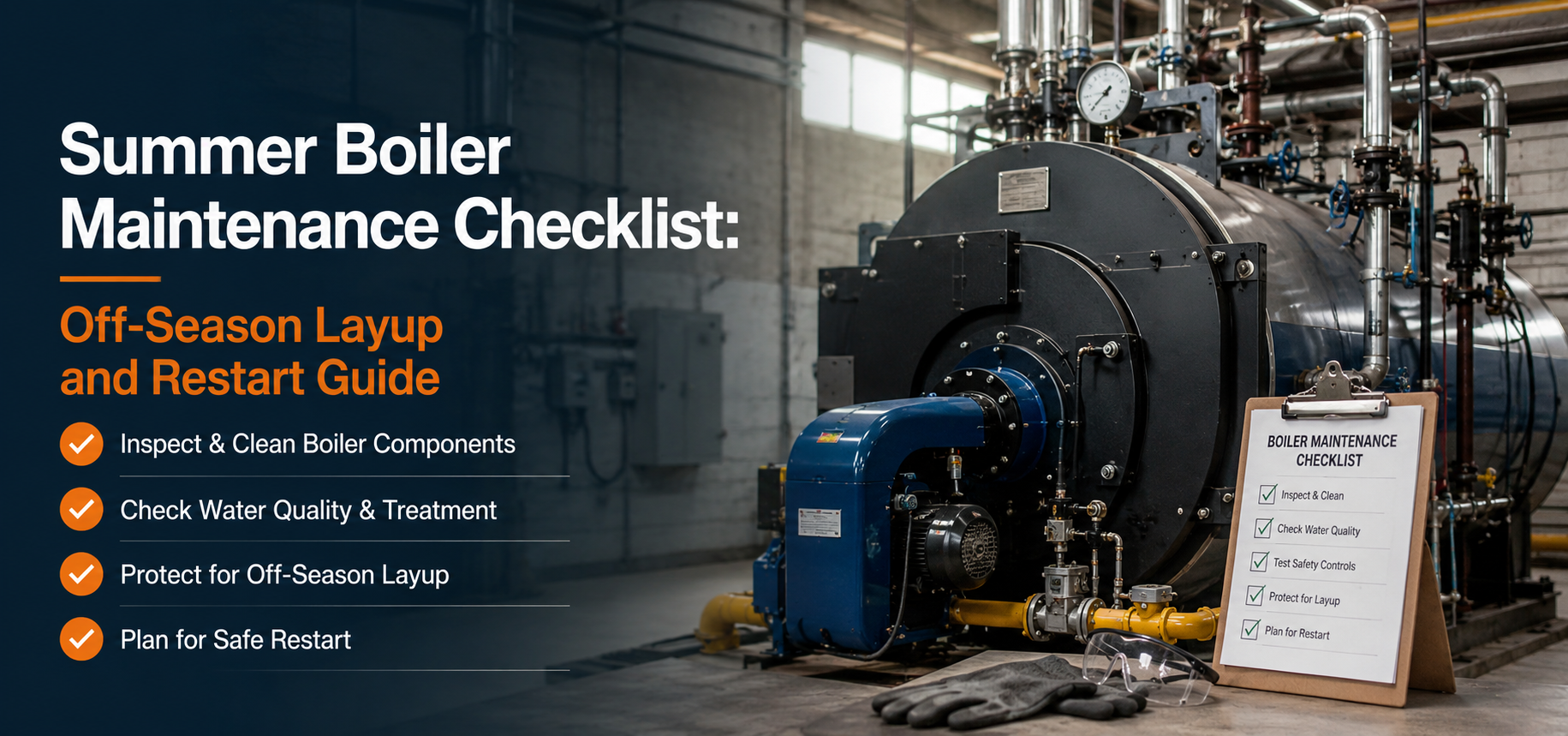
Summer Boiler Maintenance Checklist: Off-Season Layup and Restart Guide

Summer Boiler Maintenance Checklist: Off-Season Layup and Restart Guide

As temperatures rise and the heating season comes to an end, many facility managers turn their attention to other priorities. However, summer is one of the most important times to protect your boiler system. Without proper maintenance and monitoring of critical components such as back pressure regulators, an idle boiler can become vulnerable to corrosion, scale buildup, and mechanical deterioration that often go unnoticed until the next heating season.

Effective off-season boiler care follows four essential stages: Shutdown → Layup → Inspection → Restart.

Read more

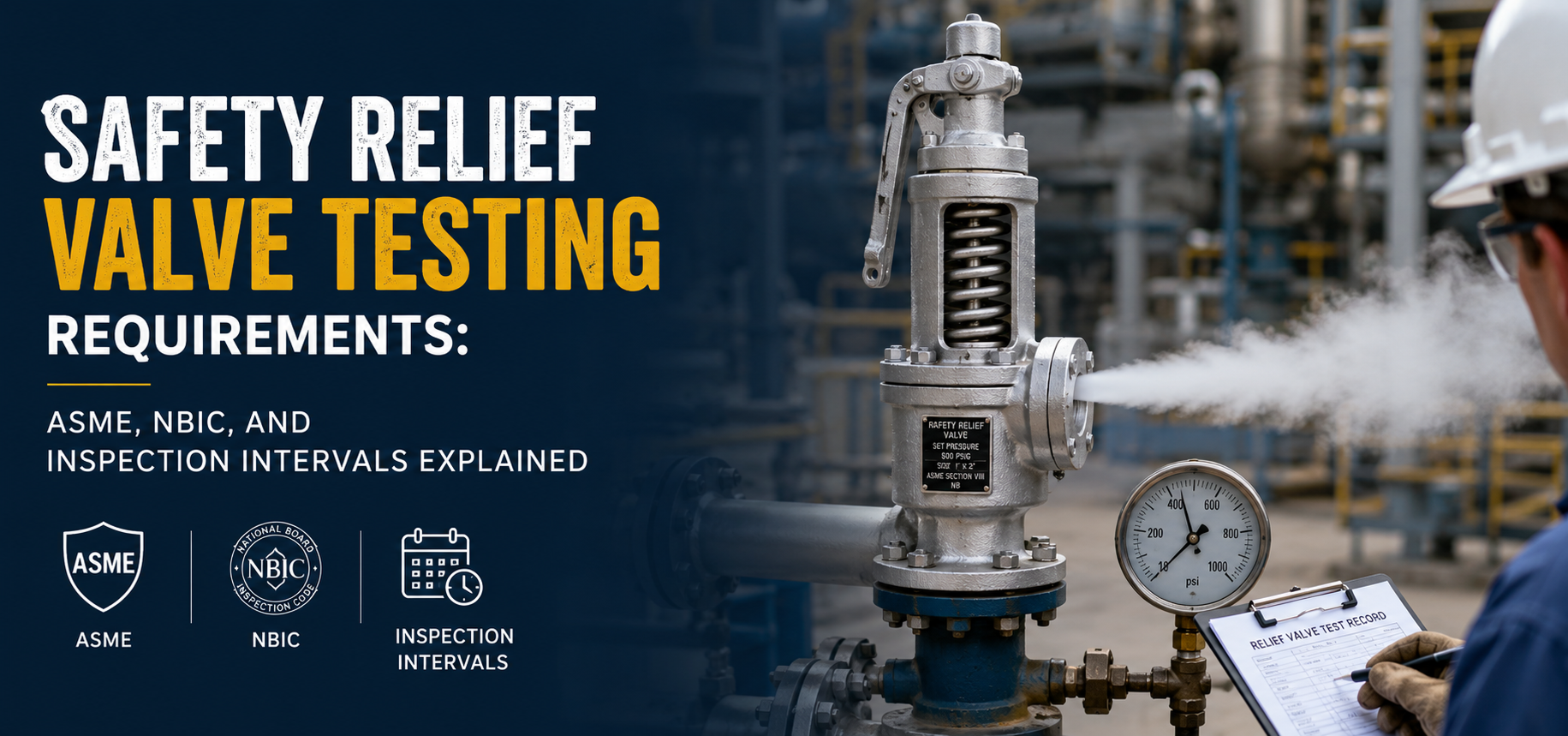
Safety Relief Valve Testing Requirements: ASME, NBIC, and Inspection Intervals Explained

Safety Relief Valve Testing Requirements: ASME, NBIC, and Inspection Intervals Explained

When pressure systems exceed safe operating limits, safety relief valves provide the last line of defense against equipment damage, regulatory violations, and potentially catastrophic failures. When system pressures exceed safe limits, these devices must respond immediately and accurately to protect personnel, equipment, and operations.

Because of their critical role, regular testing and inspection of safety relief valves are required under ASME, NBIC, and other applicable codes. However, many facilities are uncertain about testing intervals, certification requirements, and the differences between field and bench testing.

Read more

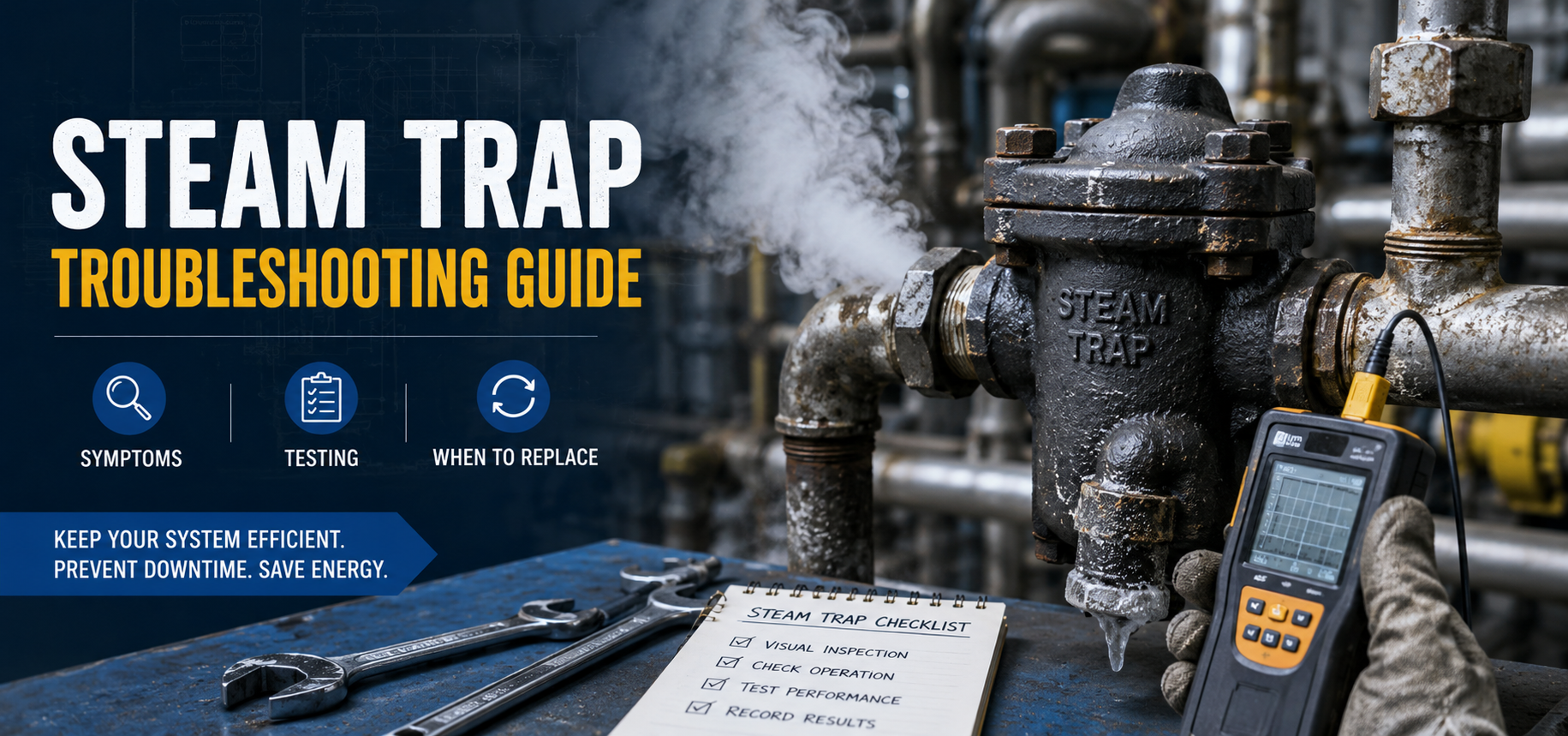
Steam Trap Troubleshooting Guide: Symptoms, Testing, and When to Replace

Steam Trap Troubleshooting Guide: Symptoms, Testing, and When to Replace

Steam traps are small components with a major impact on steam system efficiency, equipment protection, and operating costs. When they fail, facilities can experience live steam loss, water hammer, poor heat transfer, condensate backup, and premature equipment damage.

When functioning properly, they improve energy efficiency, protect equipment, and support reliable process performance. When they fail, the consequences can include energy waste, water hammer, production disruptions, and premature equipment damage.

Read more

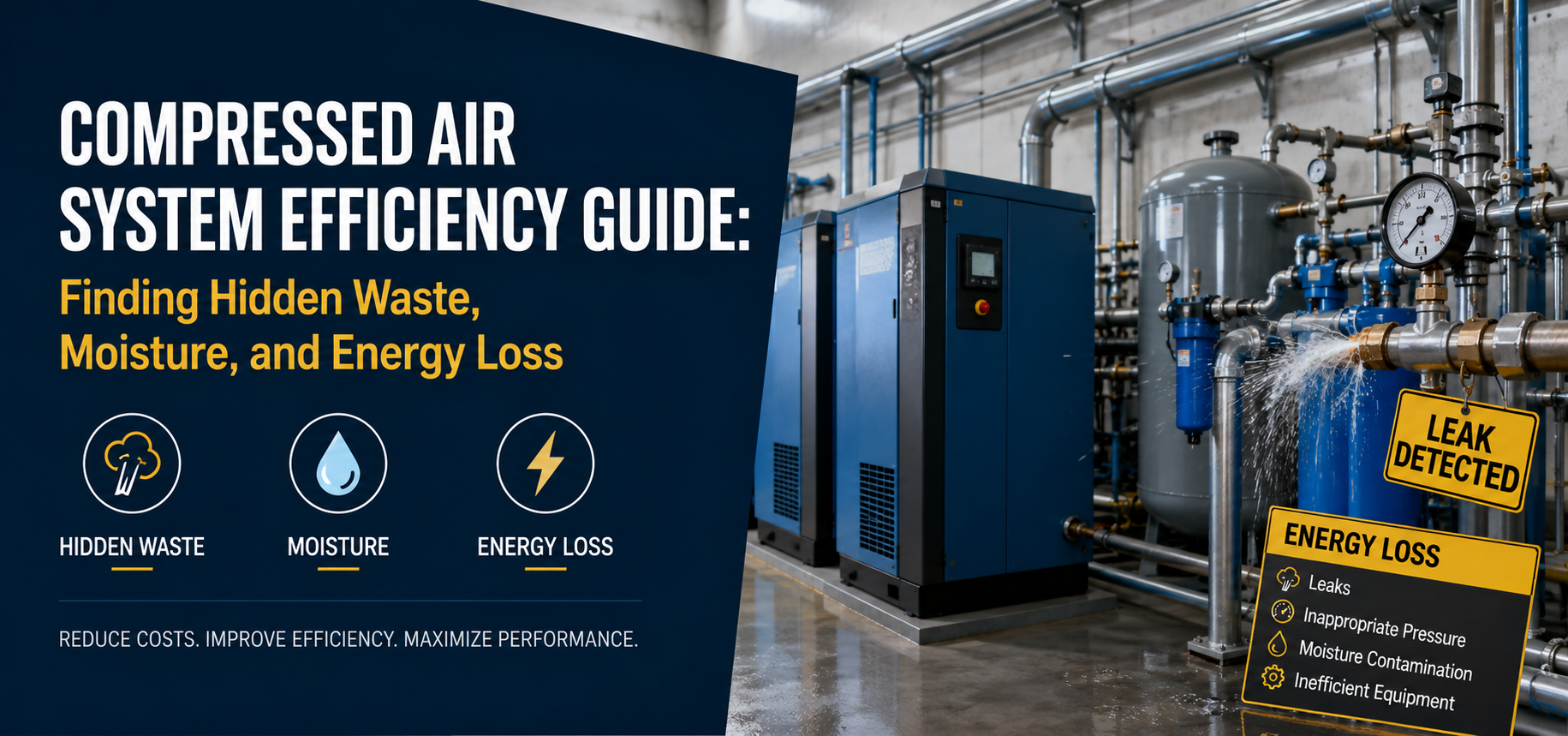
Compressed Air System Efficiency Guide: Finding Hidden Waste, Moisture, and Energy Loss

Compressed Air System Efficiency Guide: Finding Hidden Waste, Moisture, and Energy Loss

Compressed air is often called the "fourth utility" because it powers critical operations across manufacturing facilities. Yet it's also one of the most expensive and frequently wasted resources on the plant floor.

According to the U.S. Department of Energy, compressed air systems can account for up to 30% of industrial electricity consumption, with significant losses caused by leaks, pressure drops, poor condensate management, and inefficient use of compressed air drain traps.

Read more

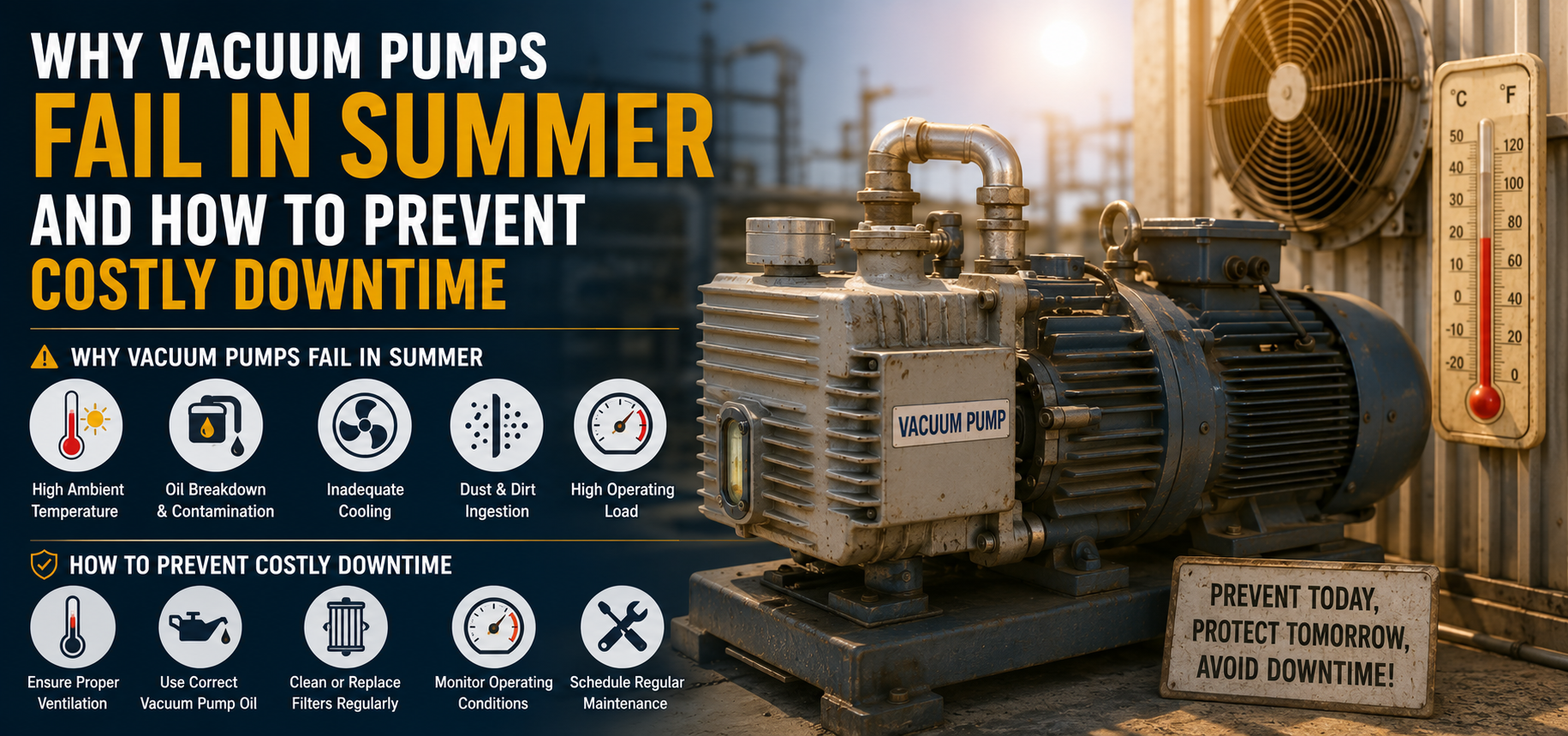
Why Vacuum Pumps Fail in Summer and How to Prevent Costly Downtime

Why Vacuum Pumps Fail in Summer and How to Prevent Costly Downtime

Summer heat can be tough on vacuum pumps. As temperatures rise, factors such as high ambient heat, humidity, and poor airflow place extra strain on your system, increasing the risk of overheating, oil breakdown, reduced performance, and unexpected downtime.

Fortunately, most summer-related failures don't happen without warning. By understanding the progression from heat to oil degradation, performance loss, warning signs, and ultimately failure, maintenance teams can identify problems early and take corrective action.

Read more

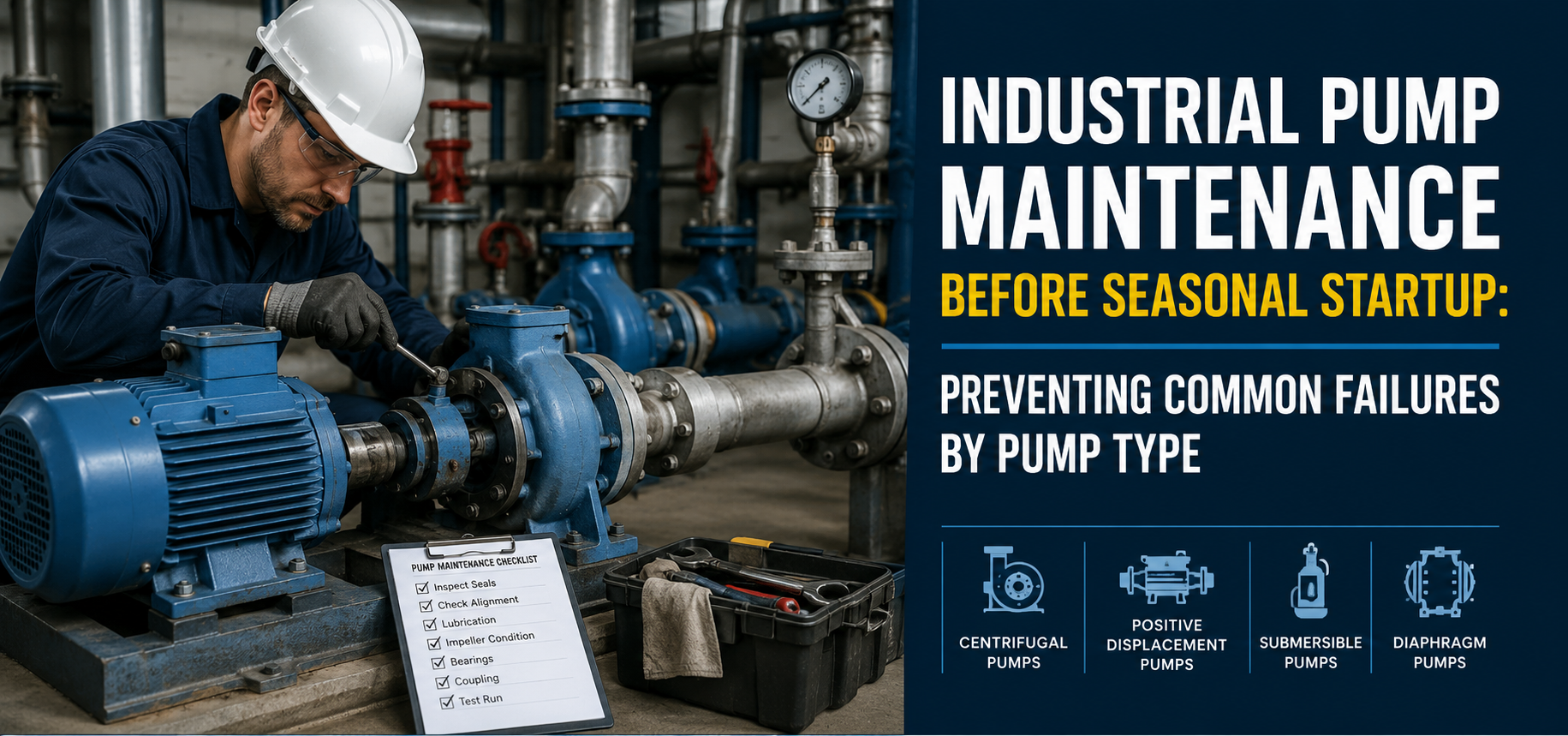
Industrial Pump Maintenance Before Seasonal Startup: Preventing Common Failures by Pump Type

Industrial Pump Maintenance Before Seasonal Startup: Preventing Common Failures by Pump Type

When a facility shuts down for a seasonal transition or planned maintenance, pumps often sit idle for weeks or months. While inactive equipment may appear unaffected, extended downtime can lead to corrosion, seal degradation, lubrication issues, and component wear that often go unnoticed until startup.

Neglecting pre-startup pump inspections can result in reduced efficiency, higher energy costs, unexpected failures, and costly downtime when operations resume. Whether you're preparing a circulator pump for HVAC service or restarting critical process equipment, a thorough inspection is essential.

Read more